

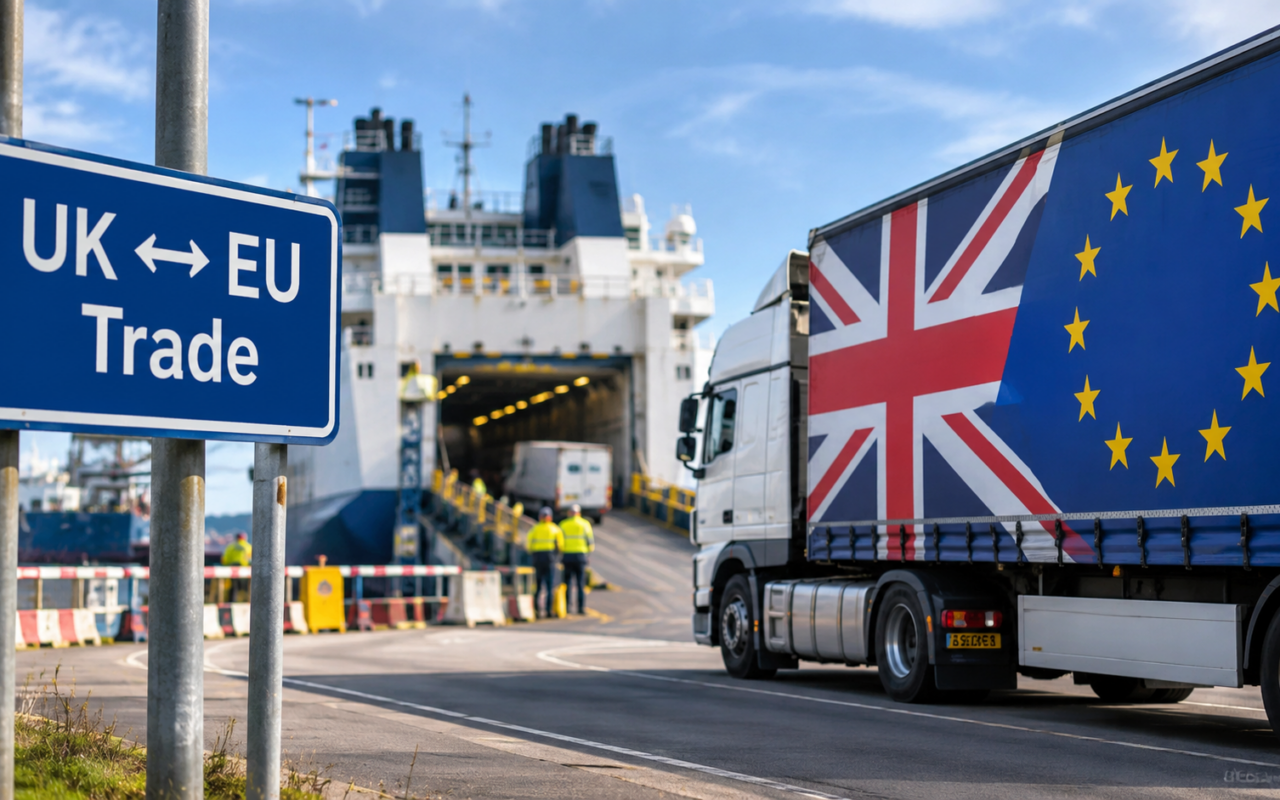
Progress at the UK-EU Summit has opened the possibility of simpler freight movements between the two markets. The most immediate operational relevance is a completed negotiation on a Sanitary and Phytosanitary Agreement covering food and agricultural products.
The arrangement is targeted for implementation from March 2028 and is intended to reduce selected checks and certification requirements. For importers, exporters and freight forwarders, the potential benefits include lower administrative effort, more efficient border processing and greater certainty when planning deliveries.
However, the British International Freight Association says businesses need clarity before those benefits can be realised. Steve Parker, its director general, said companies would require time to adjust systems, operating procedures and customer arrangements. He also called for detailed guidance and consultation with firms that manage cross-border trade.
That implementation phase will affect more than border documentation. Businesses may need to revise shipment data, compliance processes and instructions shared with logistics providers. Early publication of the rules would allow companies to test their procedures and prepare supply-chain partners ahead of the planned start date.
The association has also welcomed progress towards linking the UK and EU Emissions Trading Systems. A link could simplify carbon-related trading requirements and reduce potential costs for businesses affected by the Carbon Border Adjustment Mechanism, or CBAM.
Companies now need further information on the scope, timetable and practical requirements of both developments. The agreements offer a route to more predictable UK-EU trade, but their commercial impact will depend on how clearly the final arrangements are communicated and applied.