
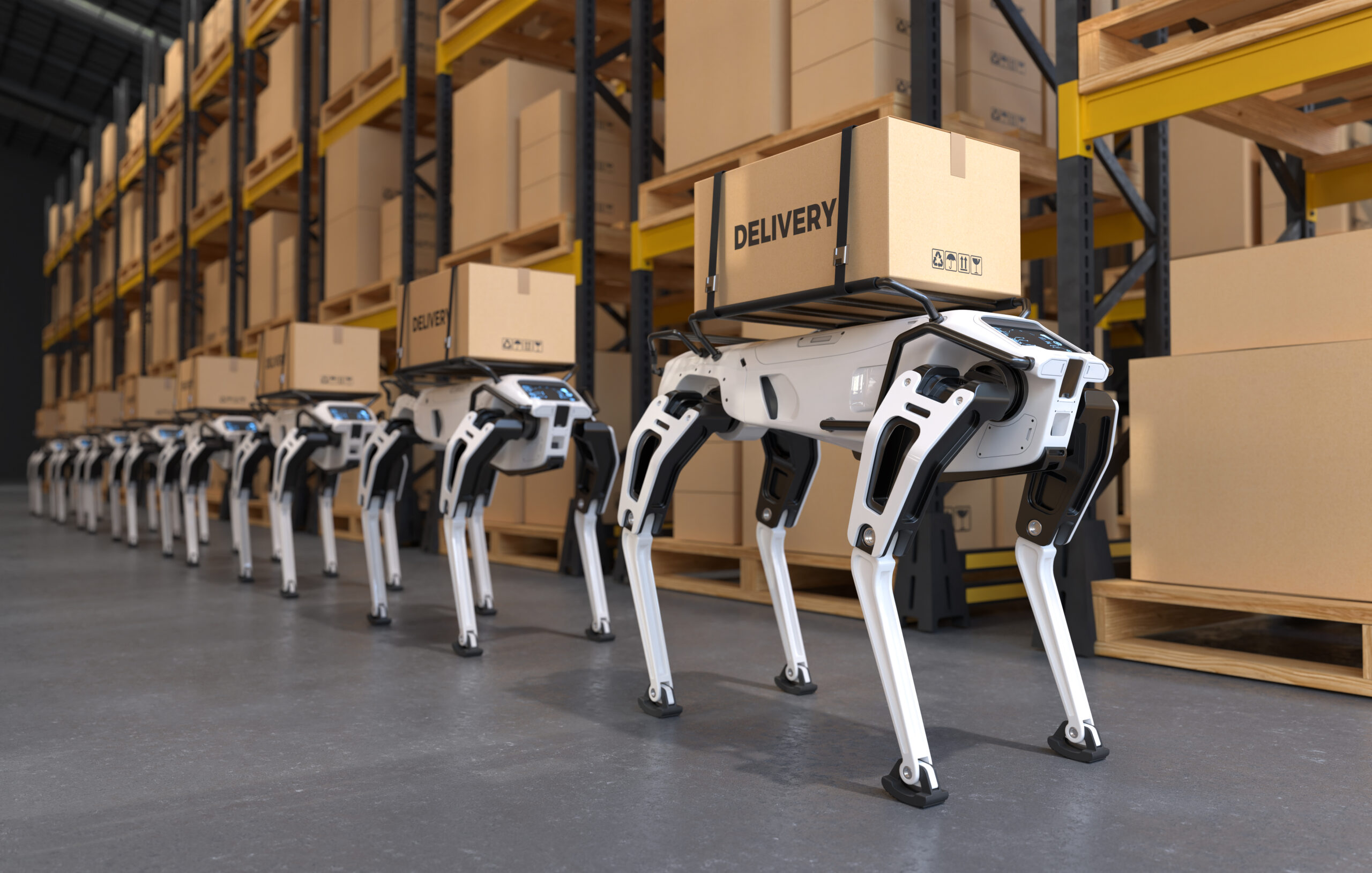
US robotics suppliers and European exporters face a more demanding approval environment after the Federal Communications Commission tightened rules covering foreign-made equipment. The measures are not an automatic ban on European warehouse systems already authorised for US sale and operation. They are more significant for new foreign-produced mobile robots that require FCC approval.
Companies entering the US market will need to assess manufacturing locations, supply-chain structure, ownership and their ability to meet security and regulatory requirements. Arthur Bellamy, Chief Revenue Officer at Exotec, said existing authorised European systems should be able to continue operating and receiving support.
European origin does not itself guarantee an exemption. Product type, production location and existing authorisations will determine exposure. Suppliers with visible supply chains, credible cybersecurity controls and dependable long-term service may be better placed as warehouse customers focus more closely on resilience and trust.
The measures are linked to Washington’s broader concern about Chinese technology, but the FCC framework is not simply structured as a country-wide ban. Approval and exemption decisions can create different outcomes. Earlier drone decisions, including conditional approvals for companies from Israel and Austria-Germany, indicate that security evidence and supply-chain transparency can matter substantially.
Europe could become more attractive to suppliers facing obstacles in the US, including Chinese manufacturers, although a major increase in competition is not yet certain. European policy currently combines safety and cybersecurity rules with additional scrutiny of critical infrastructure, public procurement and foreign investment rather than imposing a blanket restriction.
For industrial buyers, the issue extends beyond compliance. Procurement teams may need to examine subsidies, ownership, product origin, data governance, service capability and total cost of ownership. A low upfront price can create longer-term dependence on external technology and industrial capacity, even when a solution is presented through a recognised European brand.

A multilingual professional experienced in Europe, Canada, and China, Herbert has developed invaluable networks in the automotive and energy industries. He has led high-profile projects involving ENBW, Mercedes-Benz Group, Siemens Group, and the Fraunhofer Institute.