
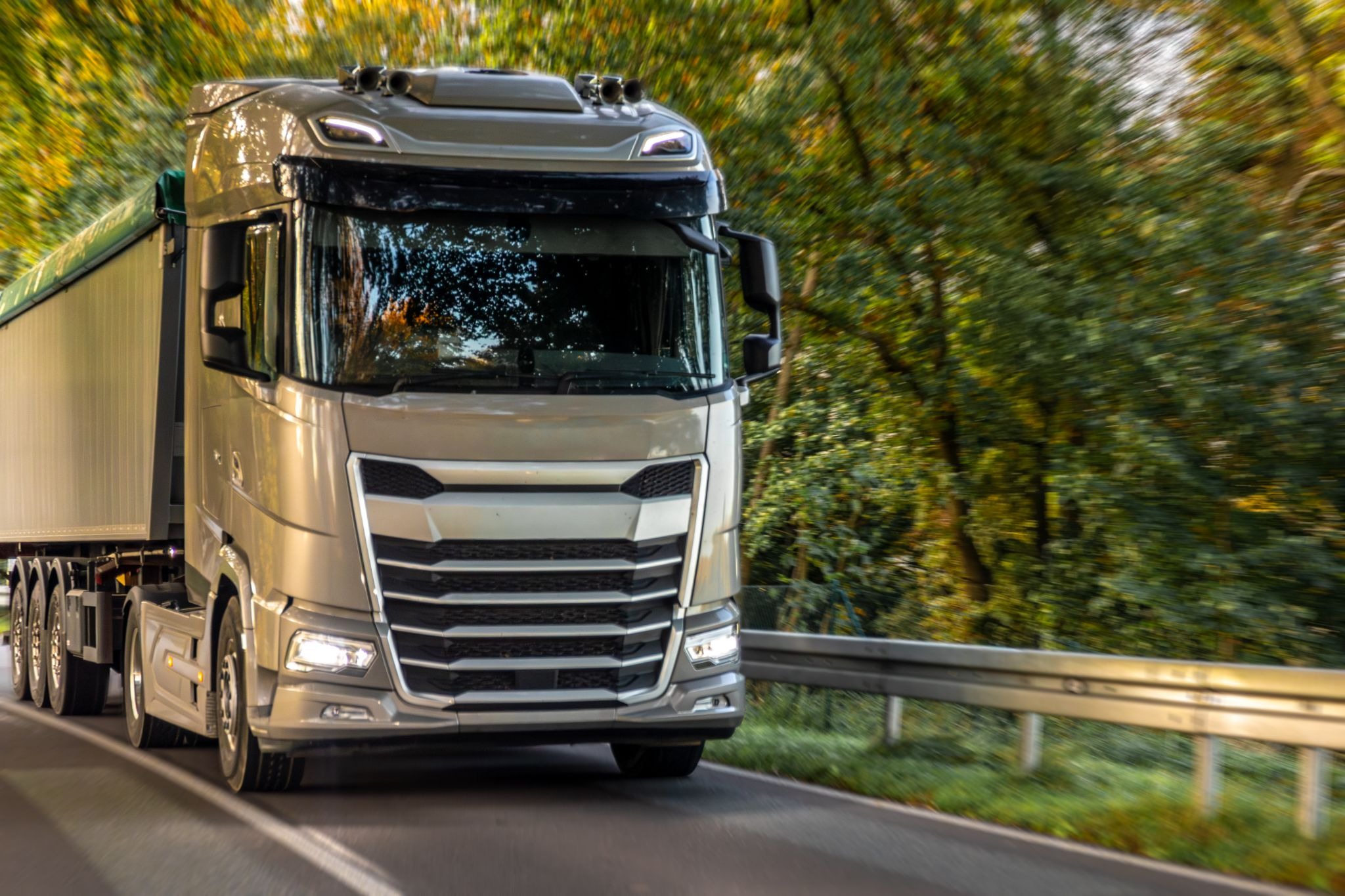
Truck operators are being urged to treat idling as an operational cost rather than an unavoidable feature of daily work. Engines left running during deliveries, loading or waiting periods consume fuel without moving freight, while repeated exposure can increase mechanical wear.
Telematics provider Radius says vehicle tracking gives fleet managers a clearer view of where the problem occurs. GPS data can connect engine activity with location and movement, highlighting vehicles, routes or operating procedures associated with excessive idling. That visibility is difficult to achieve through occasional manual checks.
The technical consequences can also be significant. Incomplete combustion may create carbon deposits and reduce efficiency over time. Reduced oil circulation can encourage dirt accumulation and friction between components, while hot gases may affect the oil film in parts of the engine that are not fully sealed during idling.
Once the pattern is identified, operators can revise waiting procedures, brief drivers and use later telematics reports to test whether behaviour has changed. Radius says an idling engine may produce twice the carbon emissions of a moving car. Cutting avoidable idle time therefore offers businesses a relatively direct route to lower fuel bills, emissions and future maintenance exposure.

A multilingual professional experienced in Europe, Canada, and China, Herbert has developed invaluable networks in the automotive and energy industries. He has led high-profile projects involving ENBW, Mercedes-Benz Group, Siemens Group, and the Fraunhofer Institute.