

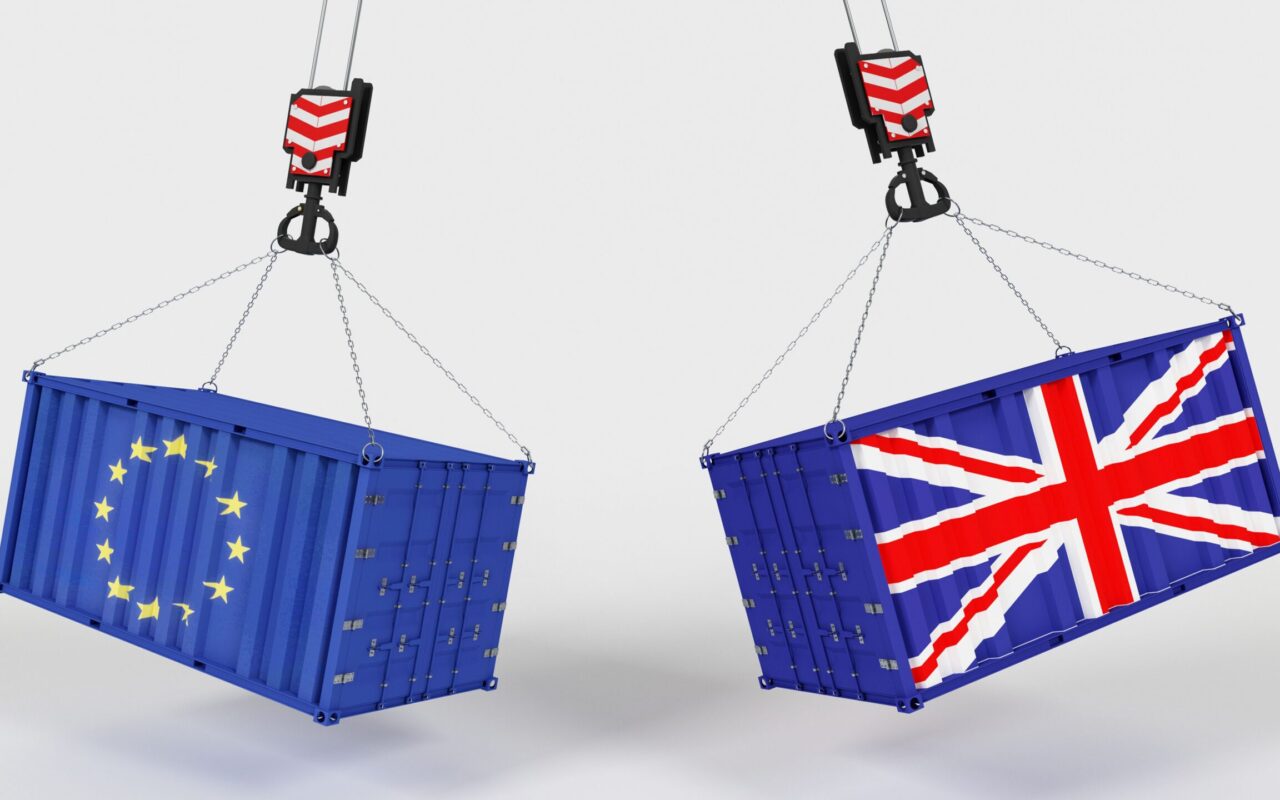
The UK–EU trade reset will be judged by its effect on companies moving goods, not only by the agreements reached between governments. The Road Haulage Association is urging negotiators to treat professional driver mobility as a priority.
Europe has an estimated shortage of 500,000 truck drivers, according to the IRU, while UK operators continue to face recruitment and retention difficulties. The Schengen limit of 90 days in any 180-day period can restrict drivers carrying out regular commercial journeys. A reciprocal arrangement, potentially including an appropriate exemption, would help operators use existing staff more effectively.
The measure would not resolve the wider labour shortage, but it could improve capacity planning and reduce pressure on international supply chains. Industry also wants progress on customs simplification, digital border processes and the EU Entry/Exit System. Delays affect vehicle utilisation, delivery schedules and operating costs.
A planned UK–EU sanitary and phytosanitary agreement from 2027 is expected to remove some friction, although smaller businesses may still struggle with documentation and unpredictable border interventions. International coach operators should also be included in the discussions because they support tourism, education and cultural links.
For manufacturers and distributors, uncertainty influences fleet replacement, recruitment, technology investment, decarbonisation and expansion. The reset will therefore have its greatest economic value if it turns political ambition into measurable improvements at the border and greater confidence for businesses planning cross-Channel trade.