

Efficiency remains important, but it is no longer enough to define supply-chain performance. Companies operating across Europe, the Middle East and Africa are responding to changing trade rules, geopolitical uncertainty and shifting customer demand by building networks that can adapt quickly.
That is accelerating several structural changes. Nearshoring is gaining ground in parts of Europe, trade flows into Central and Eastern Europe are expanding, and Middle Eastern countries are strengthening their role as links between Asia, Europe and Africa. The objective is not to remove complexity, but to manage it without passing instability on to customers.

Predictive data becomes operational
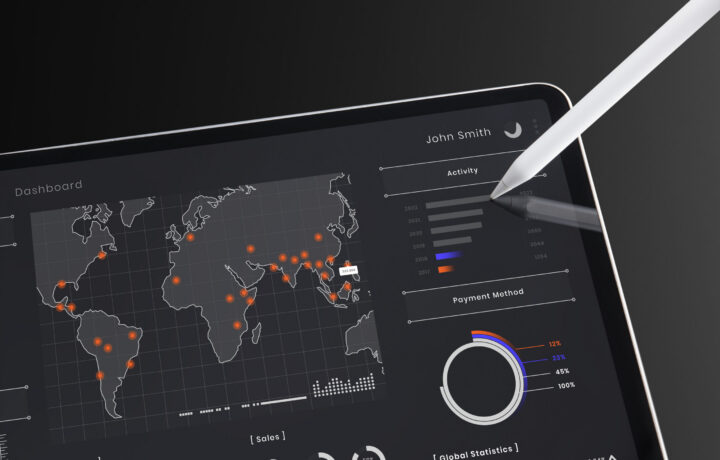
AI and predictive analytics can combine information from transport, inventory, customs and operating systems to identify emerging problems earlier. Their value, however, depends on what happens after an alert. A company must have the network flexibility and expertise to choose an alternative and implement it quickly.
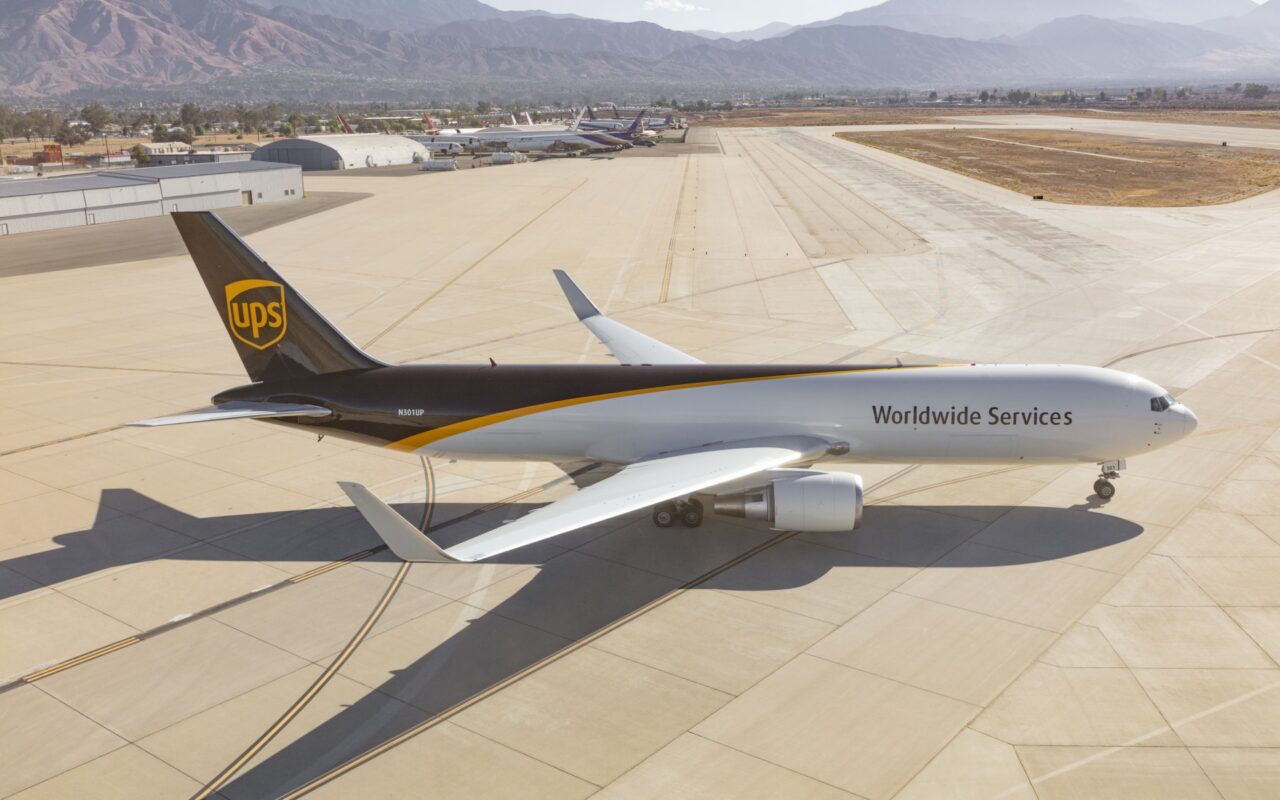
This is particularly important for time-sensitive shipments. If weather or a border delay threatens a healthcare delivery, visibility alone does not protect the customer; a practical contingency plan does. UPS says it uses AI and advanced analytics across routing, customs, network management and customer visibility to support that kind of response.
More predictable logistics can also help reduce excess inventory and operational waste while improving the balance between cost, speed, reliability and sustainability. For businesses expanding into new markets, resilience is therefore becoming a condition for growth rather than simply a safeguard against disruption.

The emerging model combines connected data, flexible capacity, trusted partners and experienced people. Supply chains built on those foundations can respond to change while maintaining dependable service.