
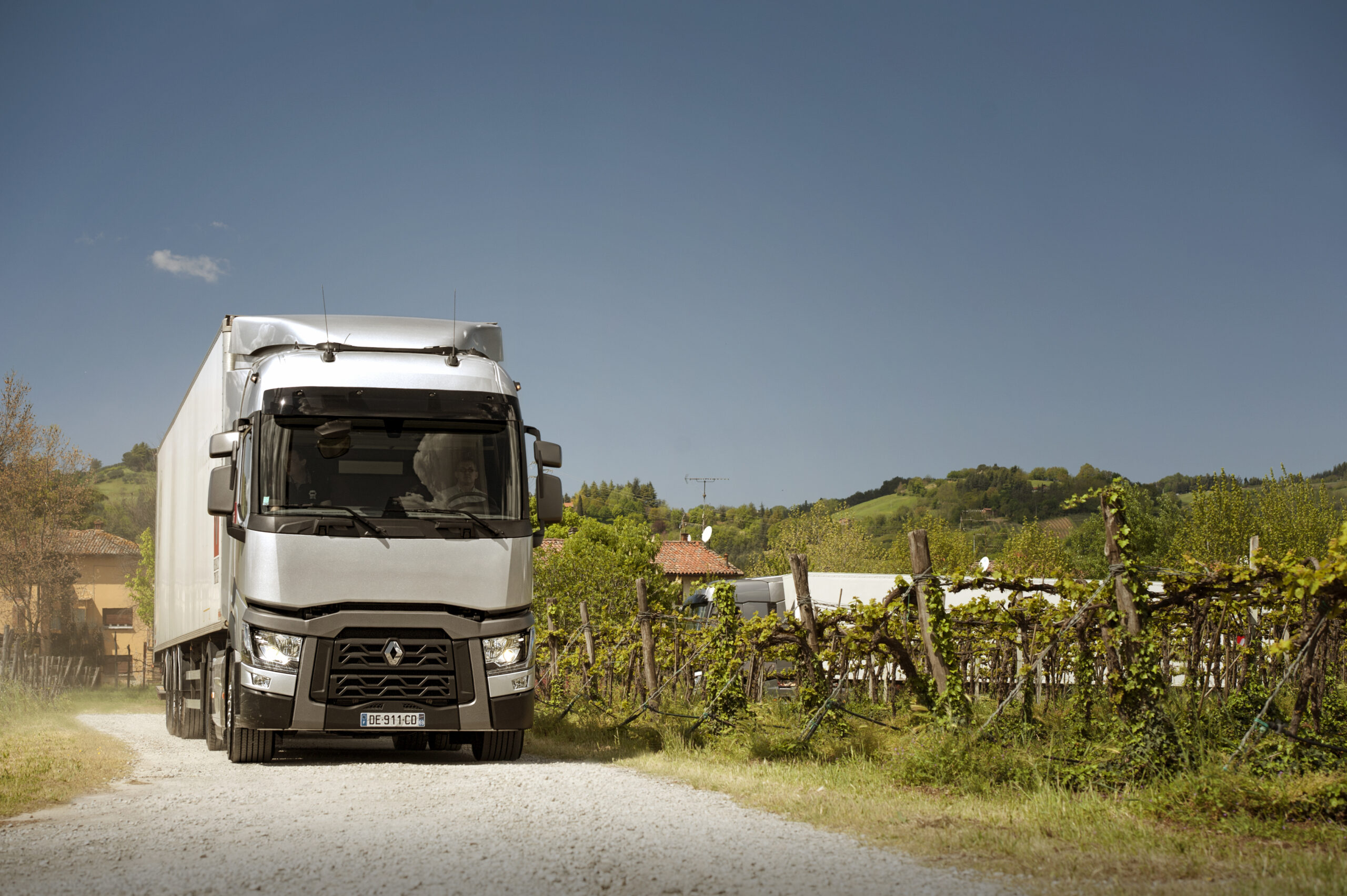
Diesel prices have become a major cost risk for UK road freight, with fuel accounting for about one-third of haulier operating costs. Current industry estimates suggest the increase is adding roughly £300 a week for each truck.
Most operators cannot pass the full increase to customers. Research by the RHA found that only one in ten can do so, while eight in ten absorb at least part of the rise. Fuel surcharges are therefore likely to increase where higher prices persist.
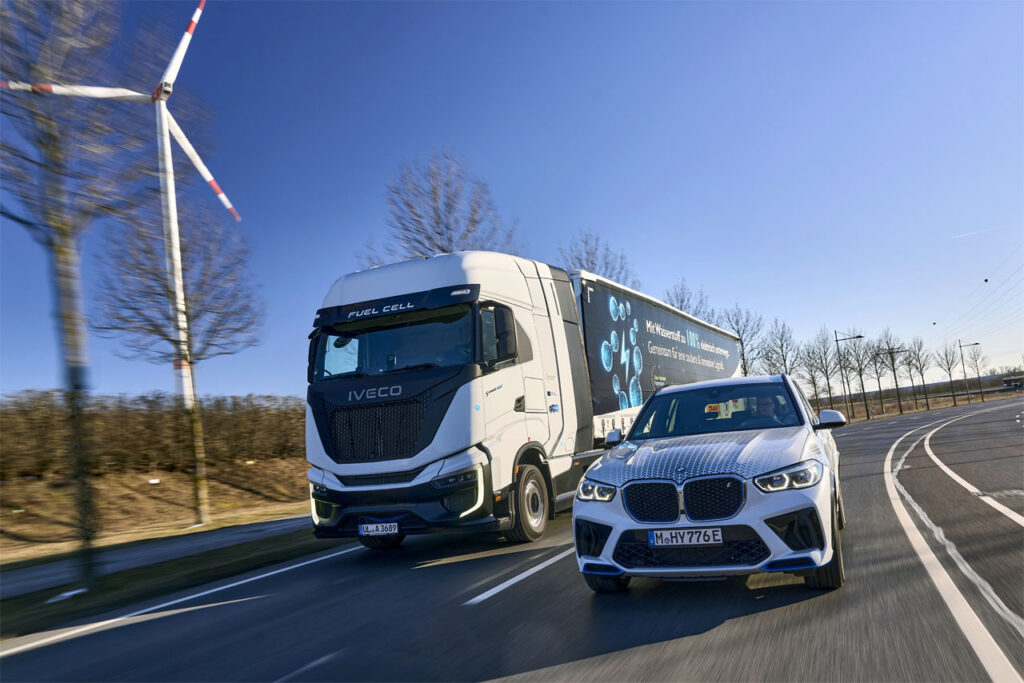
Ryan Yu, vice president of product at Samsara, said fleets are reviewing route choices, refuelling, idling and driver behaviour to reduce leakage. Samsara says it has identified $2 billion in potentially recoverable fuel spend in the US. The company’s customers are increasingly managing fuel weekly as a financial KPI rather than reconciling it at month-end.
Full fleet electrification is not an immediate answer. High investment requirements and limited charging on operational routes make targeted pilots more realistic, particularly where utilisation and potential savings can be measured.
Shippers also face wider exposure. UK-EU movements can incur higher costs on both road and ferry legs, while war-risk charges from shipping lines and marine insurers add pressure to cross-border supply chains. Consolidating loads, using rail where suitable and improving visibility across the complete journey can reduce avoidable exposure.
The priority for businesses is to review transport strategies and supplier relationships before a temporary fuel shock becomes a lasting surcharge.

A multilingual professional experienced in Europe, Canada, and China, Herbert has developed invaluable networks in the automotive and energy industries. He has led high-profile projects involving ENBW, Mercedes-Benz Group, Siemens Group, and the Fraunhofer Institute.