

Retail supply chains are being tested by new ways of discovering and buying products. Research among more than 2,000 UK adults points to artificial intelligence, smart glasses, online marketplaces and drones as technologies that could make demand less predictable while increasing pressure on delivery performance.
AI recommendations have yet to become routine. Sixty-two percent of online shoppers said they had never used them, while 21% had seen AI-suggested products without buying them. The low adoption rate does not remove the operational risk: a wider uptake could create sudden demand for selected products, challenging traditional forecasting and replenishment cycles.

Wearables may shorten the path from product discovery to purchase. Nearly two-thirds of 18–34-year-olds said they would be likely to shop through smart glasses, potentially ordering an item identified in their surroundings without visiting a retailer’s website. Accurate stock information, adaptable fulfilment and reliable returns would become central to the customer experience.
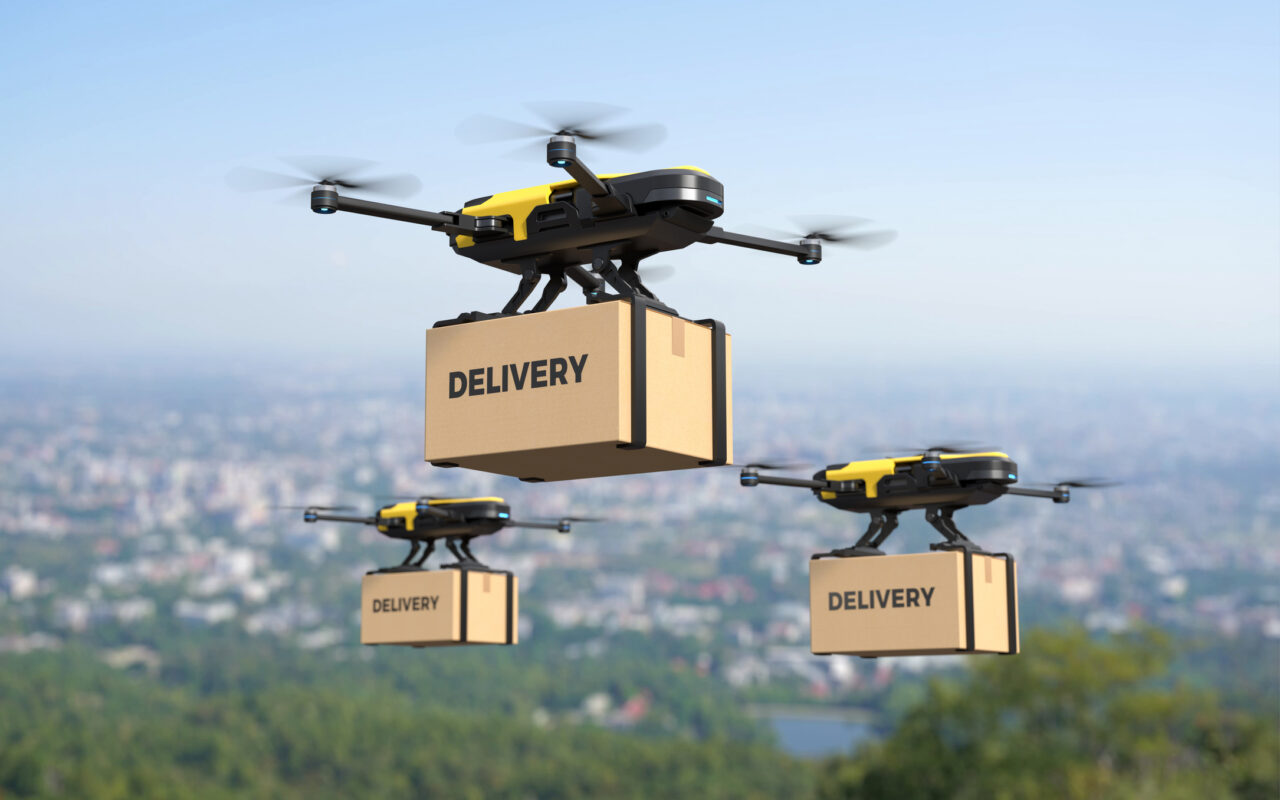
Marketplaces are also gaining ground, with three in ten respondents expecting to favour them over retailer or brand websites in the next year. Drone delivery is reinforcing the same-day expectation: 30% believe it will make waits longer than 24 hours unacceptable, rising to 45% among 18–24-year-olds.
Live shopping remains an underdeveloped channel, as 64% have never watched a shopping stream. Among its users, 52% cite time-limited deals and fear of missing out as key reasons to buy.

The commercial message is straightforward. Retailers need fulfilment operations that can translate fast-changing demand signals into available stock and efficient execution, without adding unnecessary cost or complexity.