

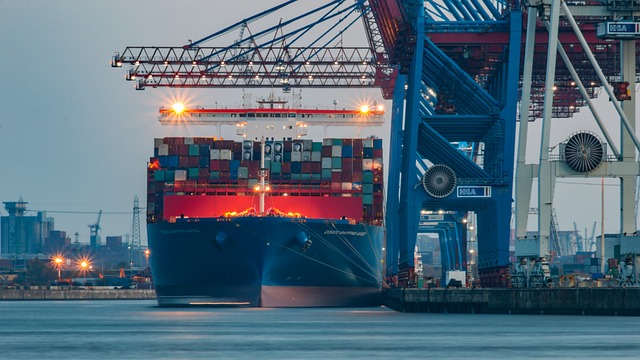
Shipping operators may face a more fragmented climate regime if the International Maritime Organization fails to agree its proposed Net-Zero Framework. The decision is scheduled for the IMO’s Marine Environment Protection Committee meeting from 30 November to 3 December and a resumed session on 4 December.
The framework’s adoption was postponed in October 2025 following opposition and threats of trade measures from the United States. Even if approved, implementation could not begin before 2029. PortXchange says the delay is already affecting fleet investment: the share of ordered tonnage capable of using scalable zero-emission fuels fell from 9.5% to 5.7%, while conventional-only ships rose from 54% to 61% of the orderbook.
Regional measures are adding complexity. EU operators already work under the EU Emissions Trading System and FuelEU Maritime, alongside national requirements in the Netherlands and Spain. The UK applies a separate carbon price through its UK ETS to domestic voyages and emissions while vessels of at least 5,000 gross tonnes are in UK ports.
PortXchange is urging companies to use operational data while negotiations continue. Better coordination of port calls can enable ships to slow down at sea rather than wait at anchor. At Algeciras, its Synchronizer platform reduced idle time around arrivals and departures by almost 40%, avoiding an average 32.9 tonnes of CO2 per call.
Its EmissionInsider system measures emissions at individual port calls, helping identify priorities for shore power and other investments. The forthcoming IMO decision will determine whether the sector moves towards common global rules or continues managing overlapping regional regimes.