
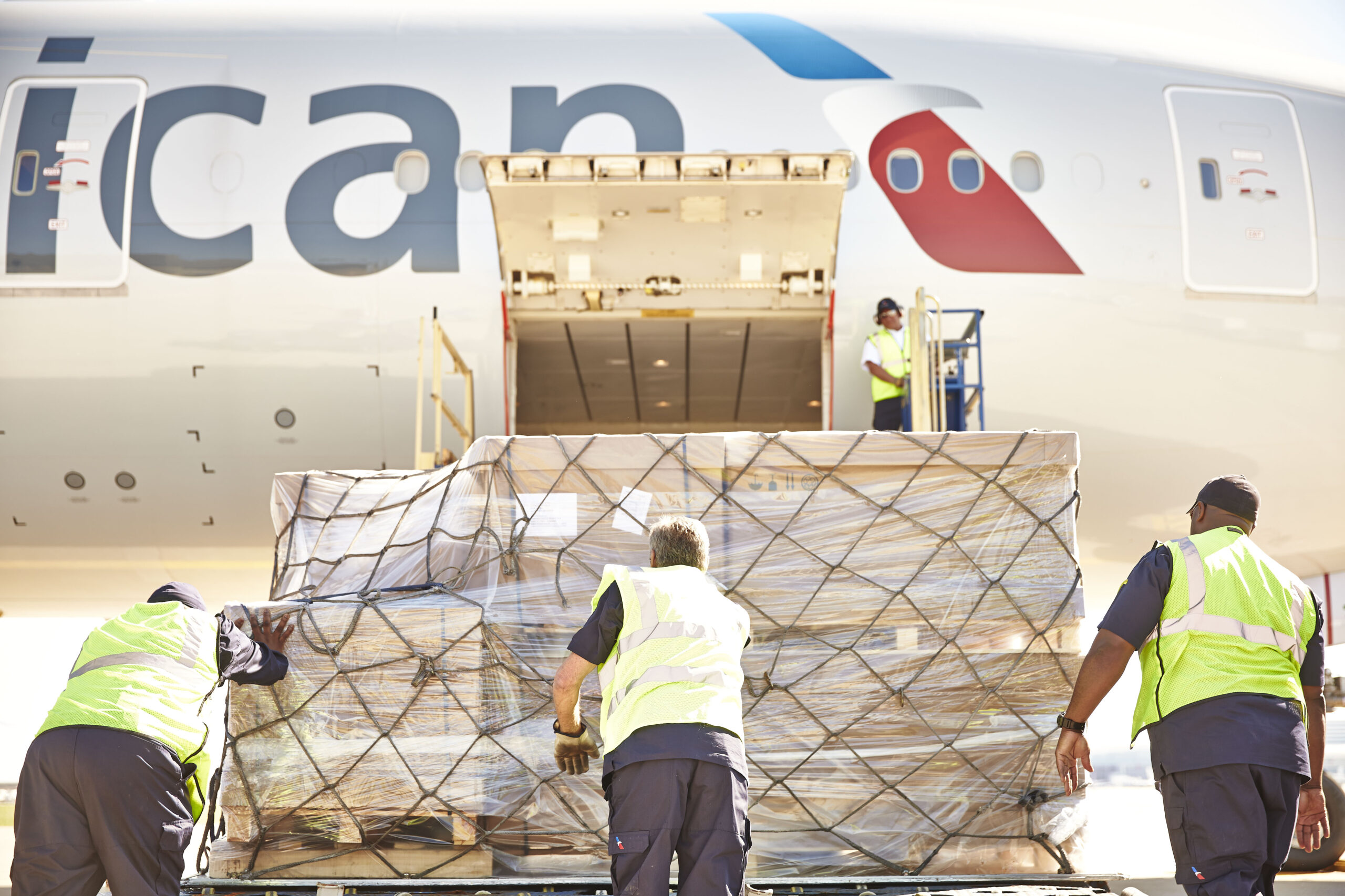
A recent air traffic control disruption at UK airports has underlined how exposed modern supply chains remain to failures at major transport hubs. Thousands of tonnes of cargo move through UK airports each day, including freight carried on passenger aircraft. When flights stop, businesses can quickly lose access to essential capacity.
The impact is greatest for goods that cannot tolerate long delays. Specialist medical equipment, engineering spares and electrical components may be difficult to replace through other routes. Healthcare logistics is particularly sensitive because aircraft are used for organs, blood products, biological materials and some cancer diagnostics involving radioisotopes.
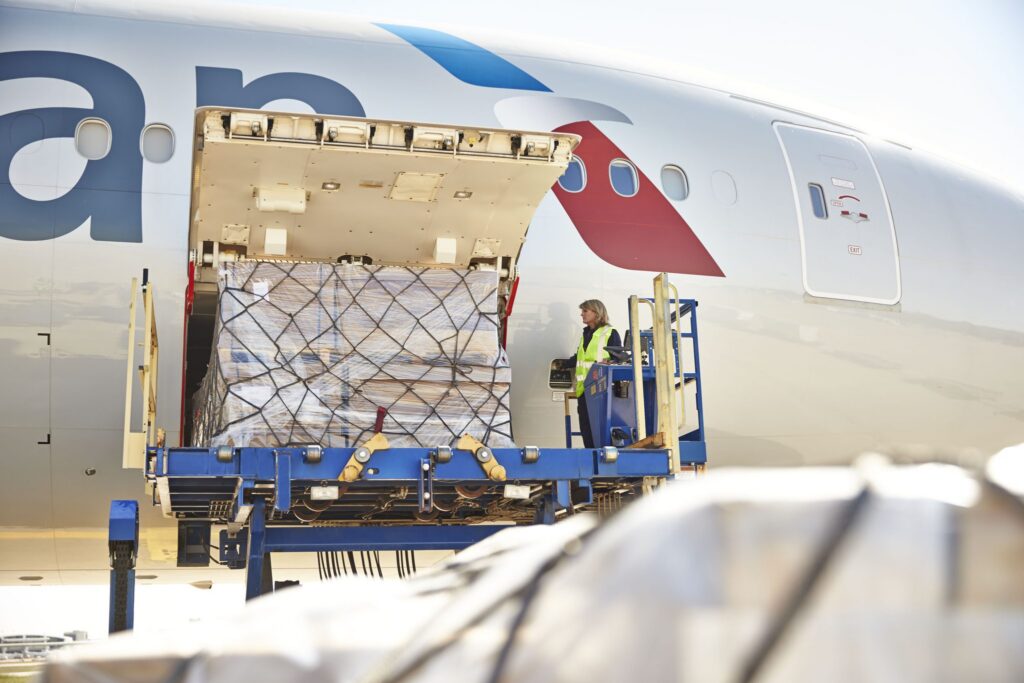
Lean inventory strategies add to the risk. The Global Supply Chain Resilience Outlook found that 51% of businesses would be unable to maintain uninterrupted daily operations for more than three weeks after a major supply-chain shock.
For industry, the priority is better visibility of critical dependencies. Suppliers should provide clearer information about upstream sources and transport links, allowing procurement teams to identify single points of failure. Tracking data and automated alerts can improve response times, but only when companies have already mapped the network they depend on.
Resilience measures should include alternative suppliers, contingency transport options and clear rules for prioritising scarce inventory. The airport disruption demonstrated that just-in-time efficiency can become a business continuity risk when there is no tested fallback plan.

A multilingual professional experienced in Europe, Canada, and China, Herbert has developed invaluable networks in the automotive and energy industries. He has led high-profile projects involving ENBW, Mercedes-Benz Group, Siemens Group, and the Fraunhofer Institute.