
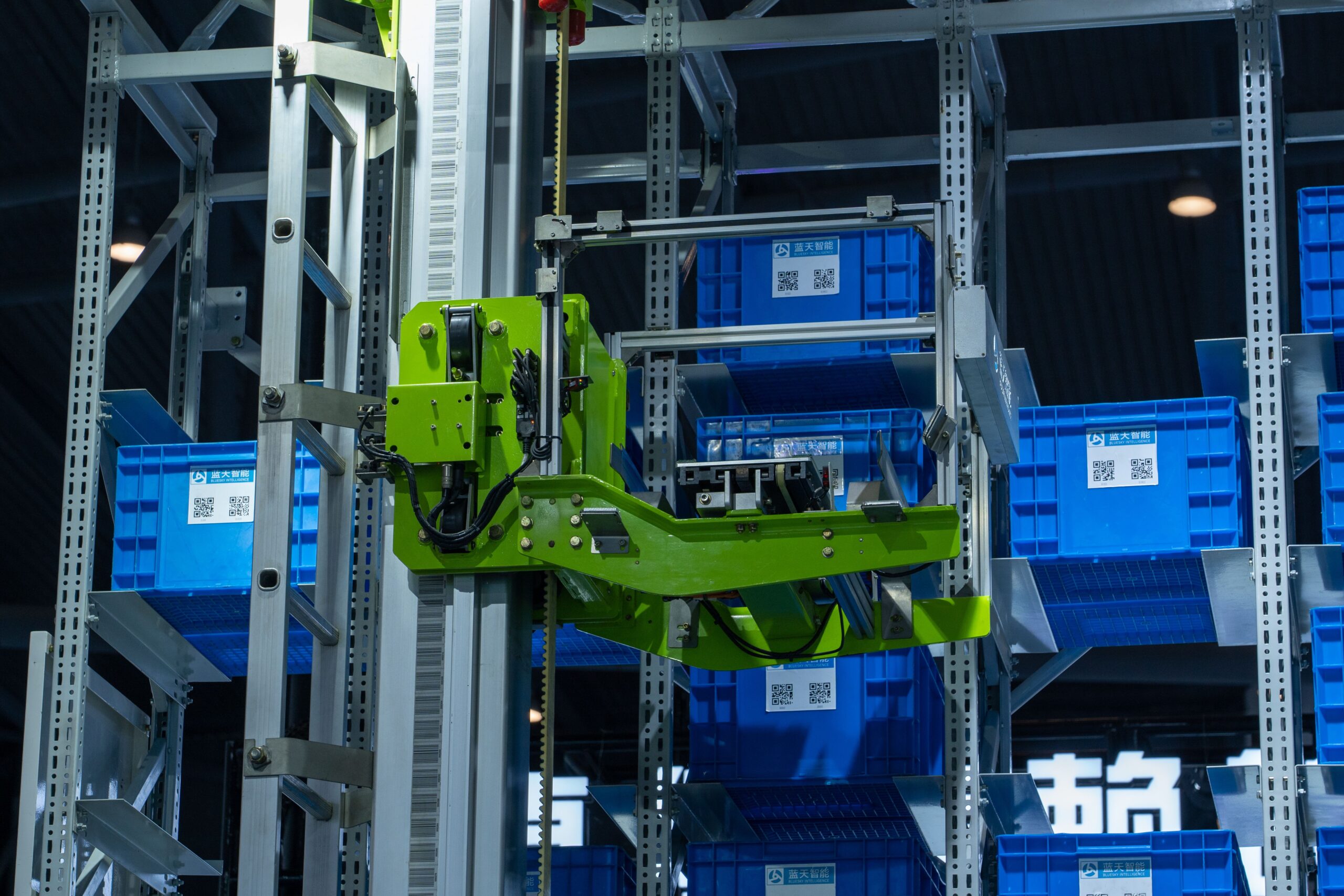
As robotics deployments expand, manufacturers and users are confronting a challenge that begins after installation: keeping machines operational in the field. A failed sensor, actuator or control unit may require more than a remote software intervention, particularly when replacement parts and specialist technicians are not close to the site.
The issue affects warehouses, distribution centres and manufacturing plants, where a robot failure can disrupt connected workflows. Commercial kitchens provide another clear example, since equipment is often expected to operate continuously and downtime can affect service delivery.
Service terms move up the agenda
For logistics operators, maintenance coverage should be assessed alongside performance and installation costs. Remote monitoring, spare-parts availability, technician training and escalation procedures all influence the practical value of an automation project. Suppliers supporting several sites must also demonstrate sufficient regional coverage.
Contracts may consequently need more precise service-level commitments. Response times, parts availability and responsibility for software, electrical and mechanical failures should be agreed before systems enter production. The market may also see more independent providers supporting robots from multiple manufacturers.
The central business issue is uptime. Automation can deliver operational gains only if faults are resolved quickly enough to prevent extended disruption. Field service is therefore becoming a decisive part of the case for scaling robotics, as discussed by Robotics Tomorrow.

A multilingual professional experienced in Europe, Canada, and China, Herbert has developed invaluable networks in the automotive and energy industries. He has led high-profile projects involving ENBW, Mercedes-Benz Group, Siemens Group, and the Fraunhofer Institute.