

Mid-market companies often outgrow their logistics technology before they outgrow their business model. An ERP and outsourced fulfilment arrangement may work initially, but new wholesale, retail or direct-to-consumer activity can quickly expose gaps in order management, inventory and transport.
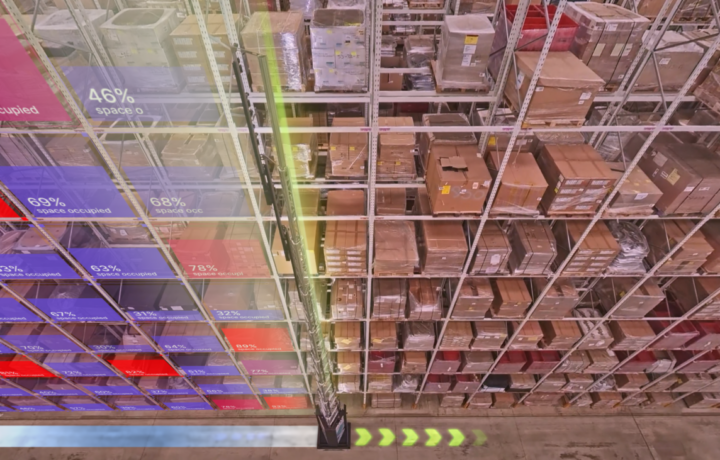
Bringing warehousing in-house adds further requirements, including labour management, automation and coordinated pick-and-pack operations. Rather than replacing the entire technology environment, businesses could add targeted capabilities as needs emerge.
This approach is particularly relevant because supply-chain implementations involve more than software licences. Connections with carriers, 3PLs, marketplaces and sales channels require data mapping, configuration and testing, while specialist teams are needed to maintain them. Omar Akilah of Infios suggests AI could accelerate the interpretation of integration requirements and the preparation of initial tests.
AI may also help coordinate existing systems. If a major wholesale order creates a stock conflict, it could identify affected commitments, assess inventory elsewhere and recommend a reallocation or revised fulfilment sequence. The systems would remain in place while an intelligent layer helps connect their outputs.
Businesses are advised to begin with repetitive work, such as shipment-status enquiries, transport appointments and routine information retrieval. Once accuracy is established, AI can move from recommendations to limited actions governed by company rules. The wider business case is controlled expansion: technology should support changing operations without turning every strategic shift into a multimillion-dollar implementation.