

Warehouse operators are facing a difficult combination of faster fulfilment expectations, higher labour costs and less predictable demand. Among online shoppers aged 18–34, 56% expect same-day delivery, while 71% would pay more for next-day delivery. US warehouse costs also rose from $7.96 to $8.31 per square foot between 2022 and 2024.
Data accuracy becomes particularly important during peaks. Black Friday 2024 generated almost twice as many e-commerce shipments as a normal day, and post-Christmas returns increased by up to 50%. An inventory record that overstates available goods can quickly affect sales, labour planning and customer service.
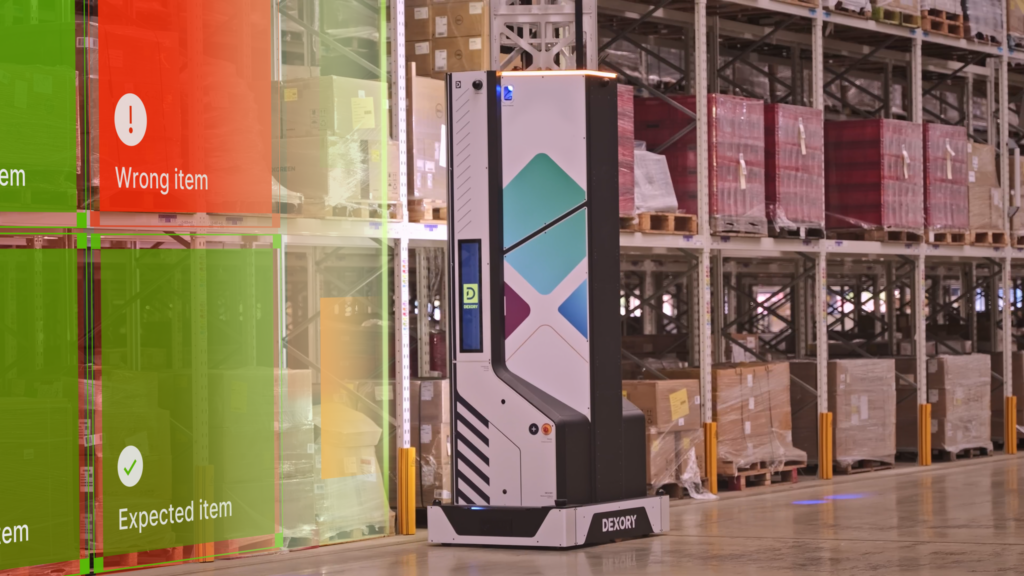
Location accuracy is just as important as quantity. When a pallet cannot be found where the system says it should be, a short picking task becomes an investigation, forklift search and replenishment exercise. That rework adds cost without generating revenue.
Continuous scanning supports faster decisions
Manual checks, barcode processes and RFID depend heavily on human input and can become incomplete or outdated. Dexory’s autonomous robot scans warehouse surroundings at heights of up to 18 metres and processes as many as 10,000 pallets per hour, day and night.
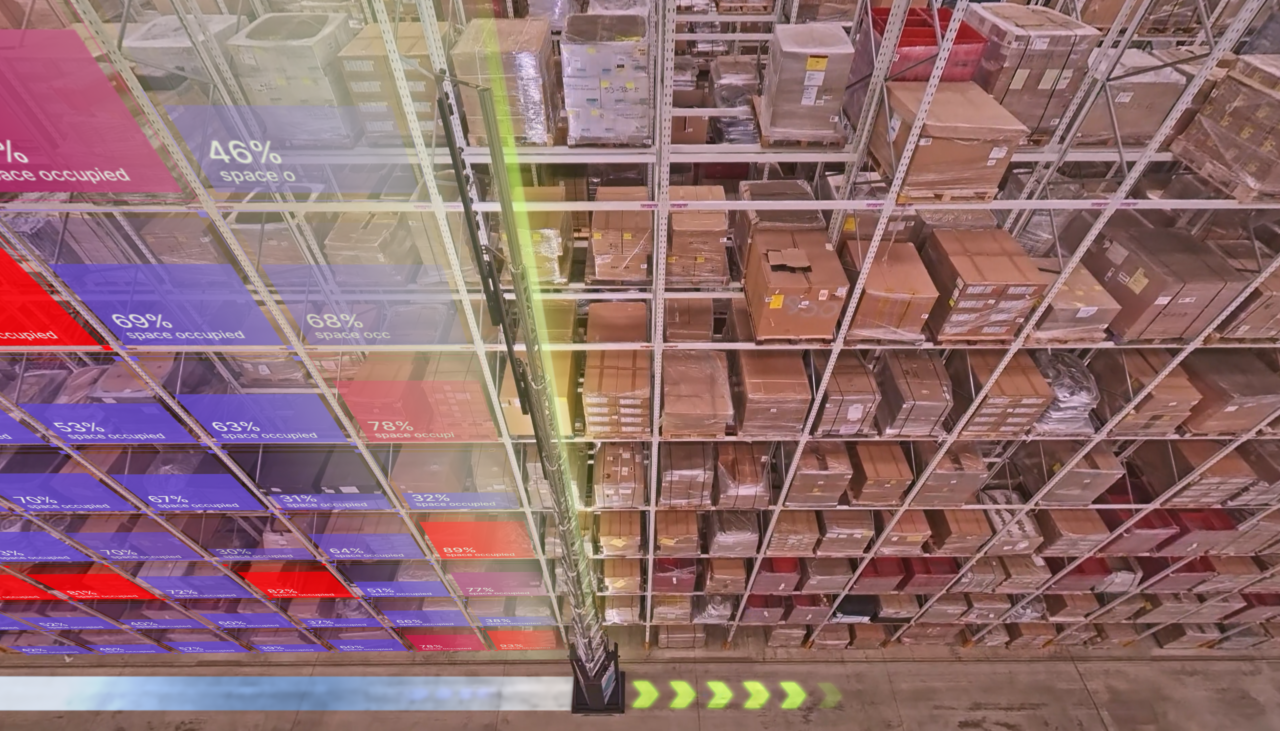
Its data feeds DexoryView, an AI-powered platform that creates a live digital twin of the warehouse. Operators can monitor stock, space utilisation and bottlenecks without interrupting normal activity. The same information can support forecasting, procurement and analysis.
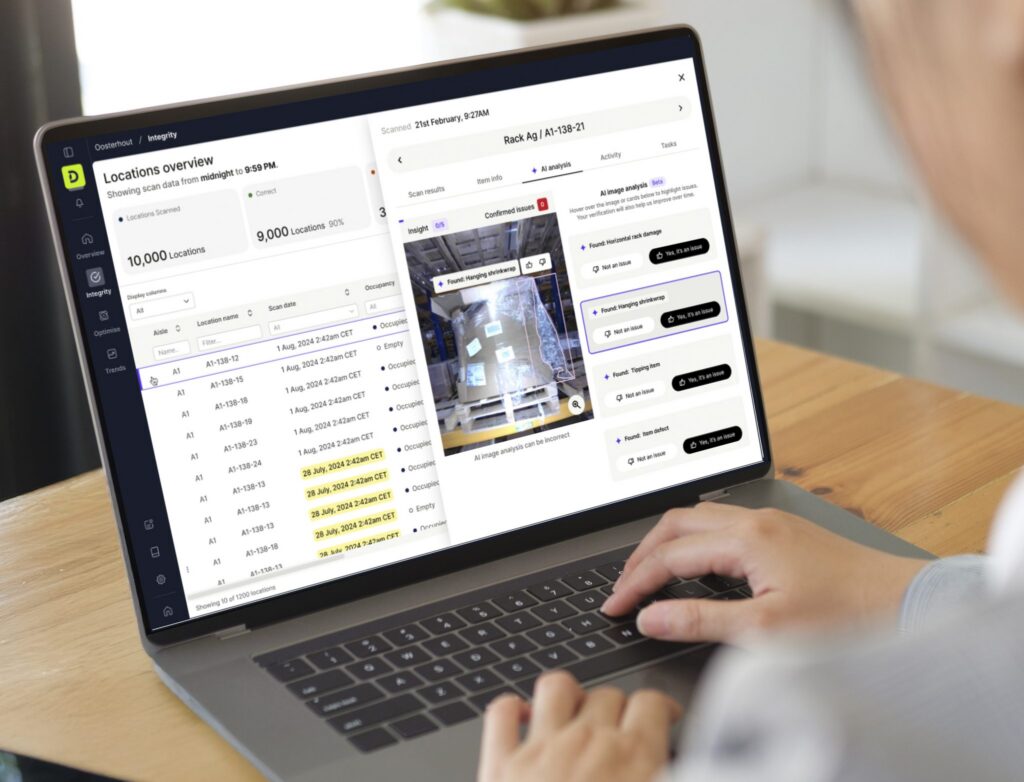
This changes the operating model from reacting to discrepancies after they occur to identifying issues as they emerge. During demand spikes, teams can prioritise fast-moving SKUs, improve picking routes and keep high-demand products in suitable locations. The potential business benefits include fewer investigations, lower waste and more consistent fulfilment.