
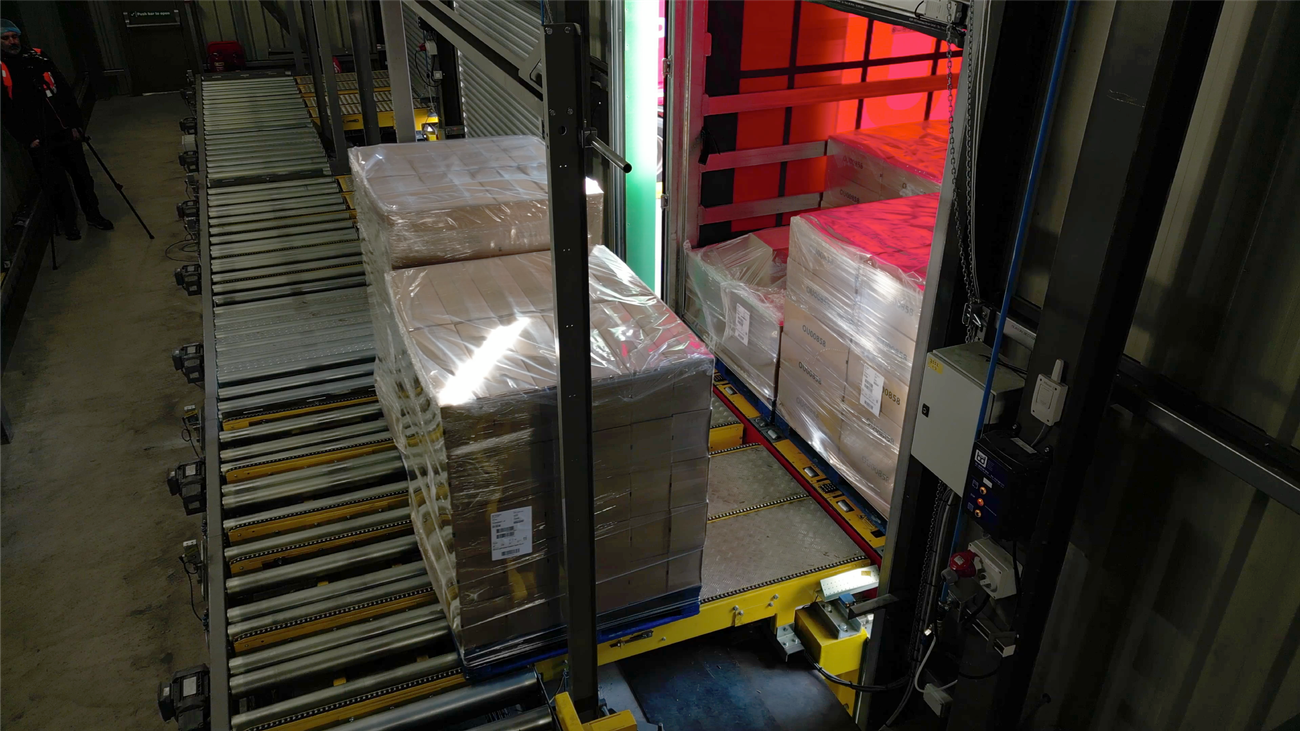
The loading bay is emerging as a weak point in otherwise increasingly digital supply chains. While warehouses and factories use IoT and RFID to capture operational data, loading and unloading often remain manual and difficult to monitor in real time.
A truck can spend up to 45 minutes being loaded or unloaded. Forklift dependence creates safety risks, adds pressure to secure skilled drivers and limits throughput. Driverless AGVs are not necessarily a faster replacement, particularly in loading areas affected by uneven floors, oil, loose packaging and awkward materials.
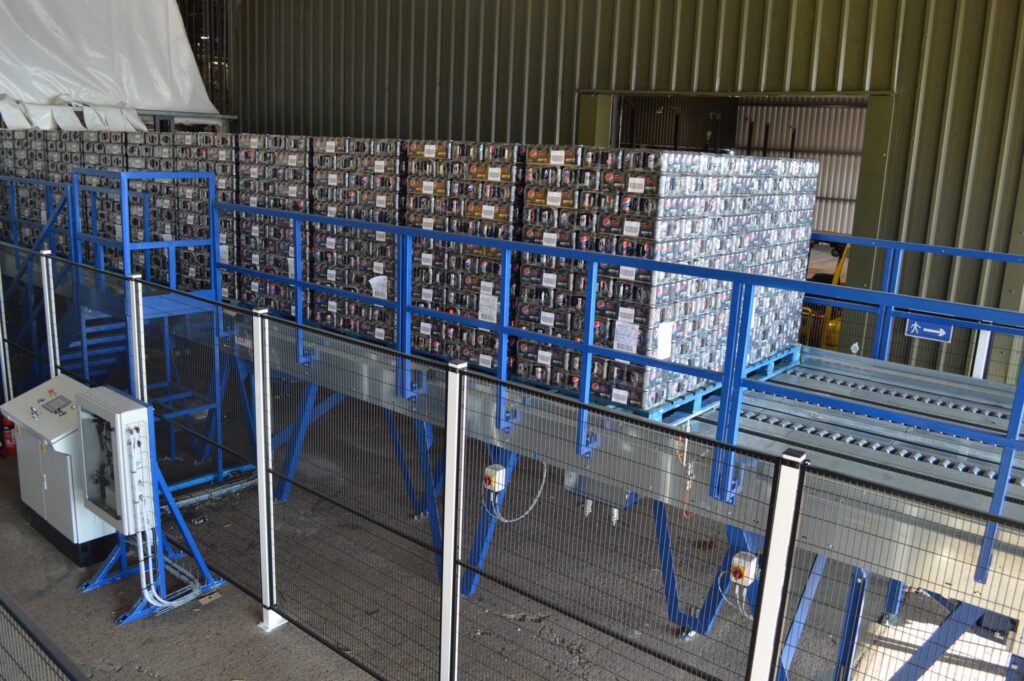
Automated loading technologies using slipchain, moving-floor or trailerskate systems can reduce the process to under five minutes. The equipment can be installed in new facilities or retrofitted to existing sites, including smaller operations.
Beyond faster vehicle turnaround, live loading data can expose delays earlier, improve bay allocation and reveal recurring issues involving carriers or trailer types. Companies may also increase capacity within existing production buildings and respond more flexibly to short-run demand.
Joloda Hydraroll presents automated loading as more than a labour-saving measure: it is a way to connect the final physical handoff with end-to-end supply chain planning and predictive analysis.

A multilingual professional experienced in Europe, Canada, and China, Herbert has developed invaluable networks in the automotive and energy industries. He has led high-profile projects involving ENBW, Mercedes-Benz Group, Siemens Group, and the Fraunhofer Institute.