
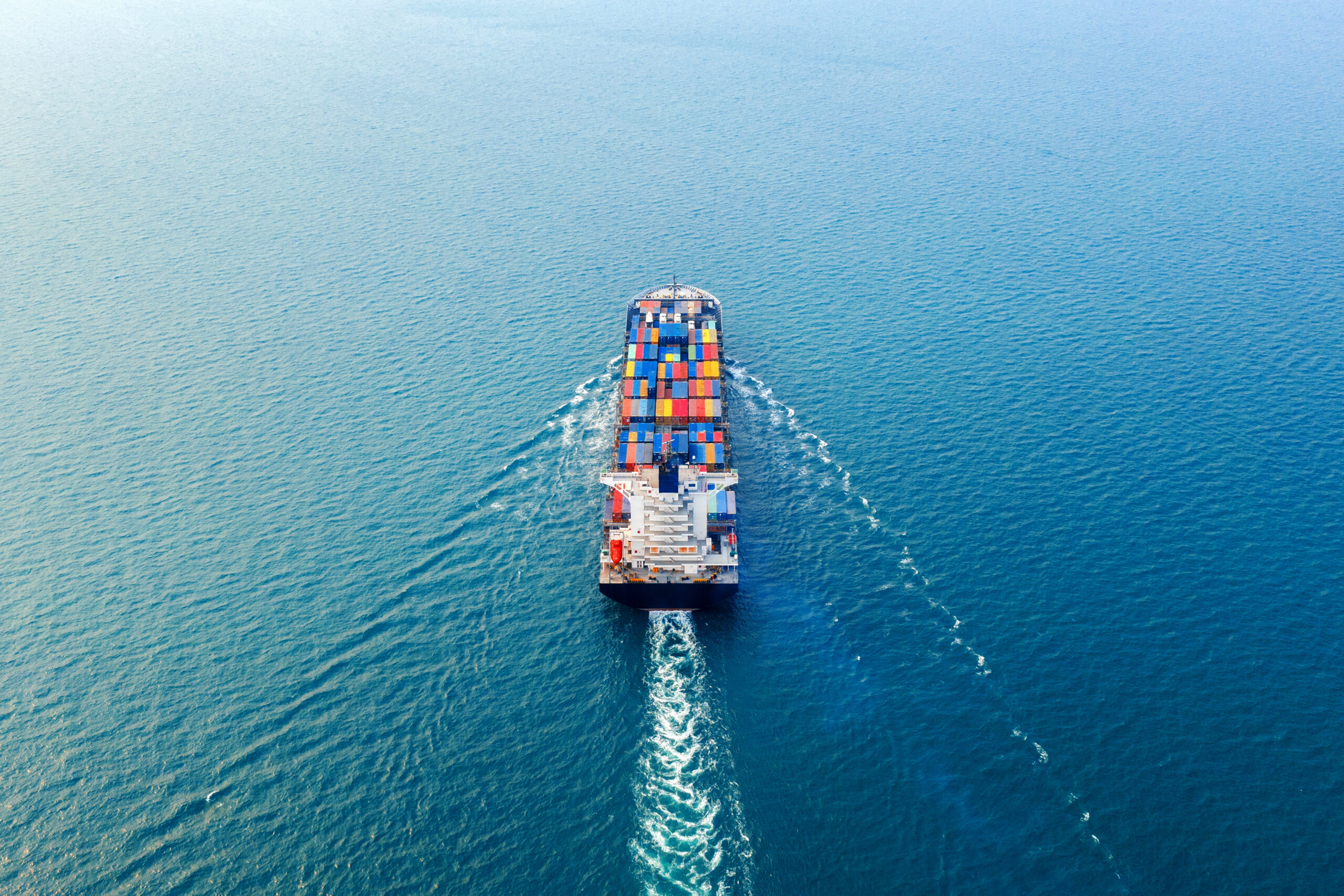
Oil exports through the Strait of Hormuz have continued despite attacks on individual vessels, although tanker operations are becoming more difficult to track. Ships are switching off AIS, sailing in convoys and transferring cargo between vessels to reduce exposure in the chokepoint.
Only 55 AIS-visible transits were recorded between 16 and 23 September, about 94% below the pre-conflict level of roughly 910 weekly movements. The comparison is not a reliable measure of total traffic because tankers may deliberately disable tracking when security risks rise.
The revised logistics pattern uses large crude carriers to enter the Gulf with AIS inactive, discharge through ship-to-ship transfers in the Gulf of Oman and return through the Strait. Cargo can then be split among Suezmax tankers for onward delivery. This limits the number of ships making the higher-risk passage but adds handling stages and uncertainty over vessel status.
An estimated 26.72 million barrels of crude left the Gulf between 20 and 22 September, with about two-thirds subsequently moved through ship-to-ship transfers. The flow equated to approximately 8.9 million barrels per day, although it reflected a convoy peak rather than a confirmed sustainable rate.
Iran has called for vessels to use the northern corridor through its territorial waters. Rising Saudi, Iraqi and Kuwaiti volumes, together with some UAE exports, are using the southern corridor, supported by US air-defence and naval assets. Saudi Gulf-terminal loadings recovered to an estimated 3.9 million barrels per day during the first 27 days of September, with tracked cargoes mainly bound for China and India.
For UK and European operators, the changes complicate voyage oversight, cargo verification, insurance assessment and tanker availability. A further attack or escalation could quickly affect freight capacity, routing and regional fuel-supply risk.

A multilingual professional experienced in Europe, Canada, and China, Herbert has developed invaluable networks in the automotive and energy industries. He has led high-profile projects involving ENBW, Mercedes-Benz Group, Siemens Group, and the Fraunhofer Institute.