
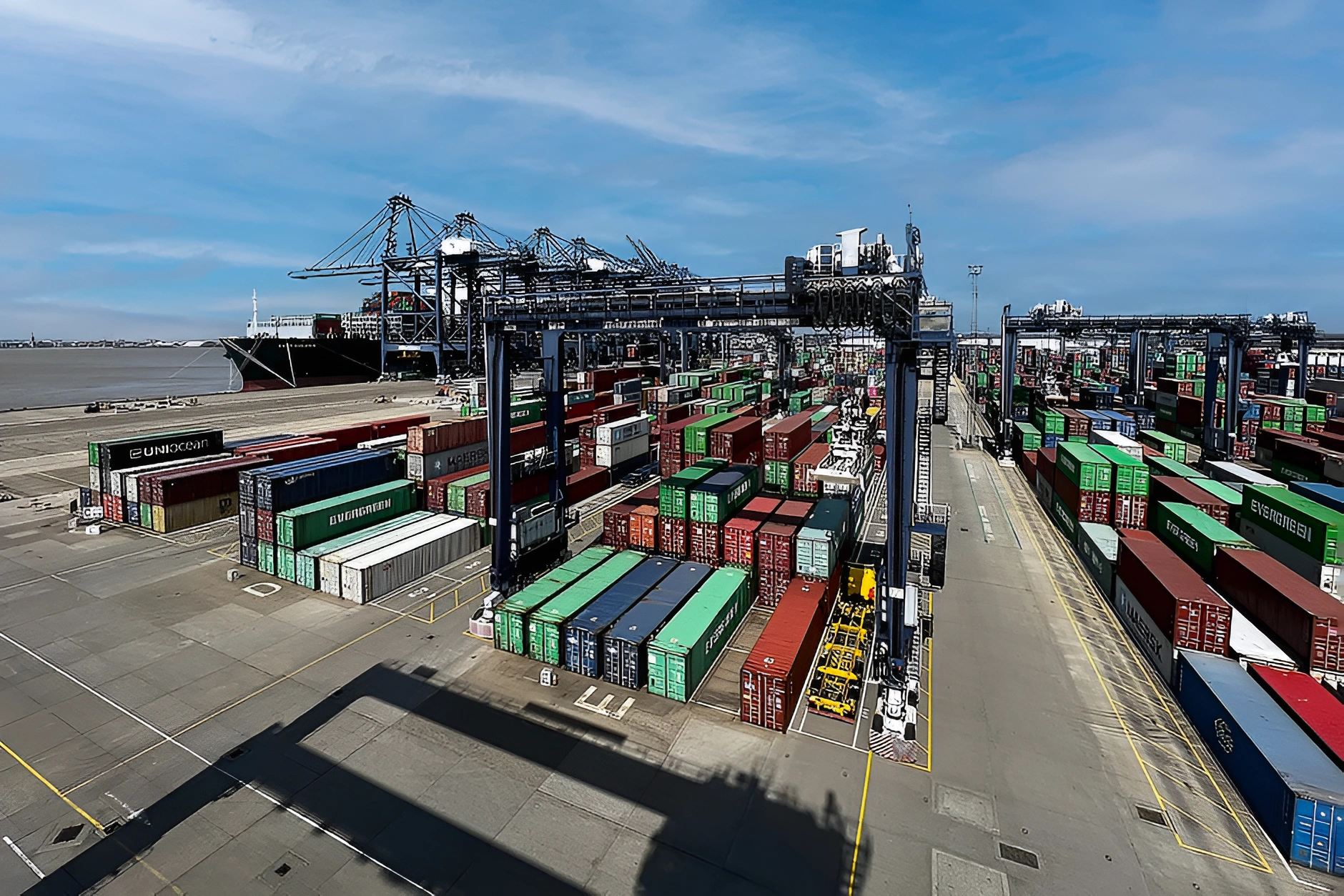
Container terminals are increasingly being asked to raise throughput while cutting emissions and protecting operational continuity. Vahle’s solution is a staged combination of electric equipment, automation and digital systems rather than a single technology upgrade.
Operators can begin by replacing diesel machinery, then add positioning, data communications and remote control. The approach allows returns to be generated during the transition and avoids making full automation a prerequisite for modernisation.
Remote crane operation may also support recruitment and retention by moving staff into control rooms and away from machinery. Human oversight remains part of the operating model, with personnel able to supervise or intervene when needed.
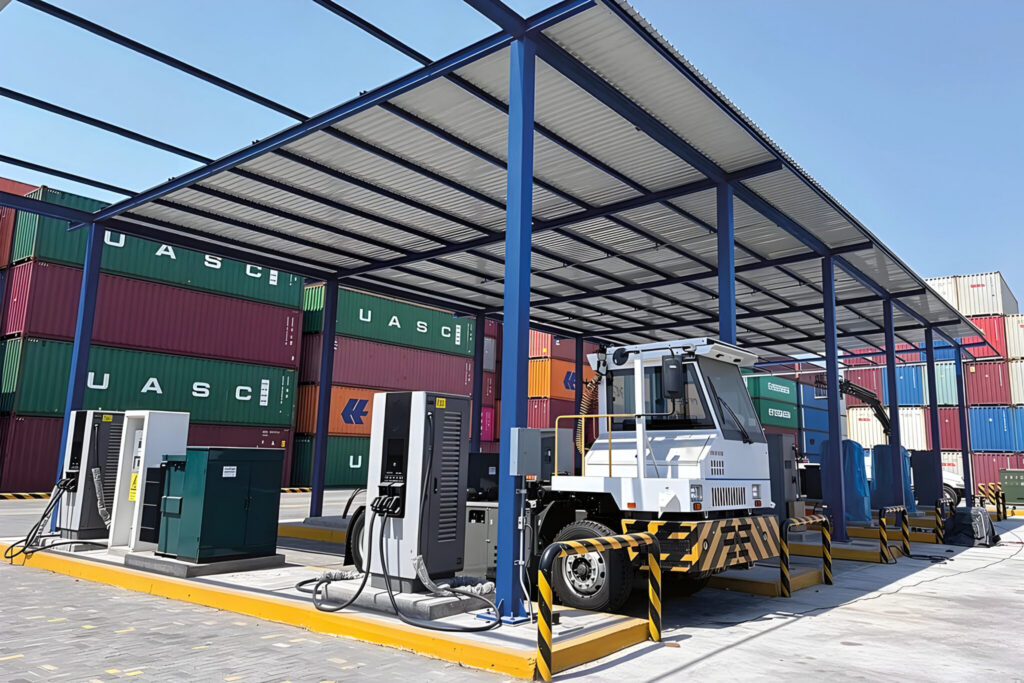
For new terminals, Vahle sees the greatest value in integrating electric rubber-tyred gantry cranes, batteries and energy management from the design stage. This can reduce infrastructure requirements and improve resilience by limiting dependence on diesel supplies while enabling storage and renewable energy.
Artificial intelligence is being applied to programmable-logic-controller messages to support predictive maintenance. Early warnings can help teams schedule and combine work before a breakdown occurs, reducing downtime. Contact-free charging and automated steering add further safety benefits.
The wider shift is therefore from diesel to a digitally managed operating system, covering power, control, communications and maintenance. Industry cooperation remains important to ensure that the technology reflects real terminal requirements.

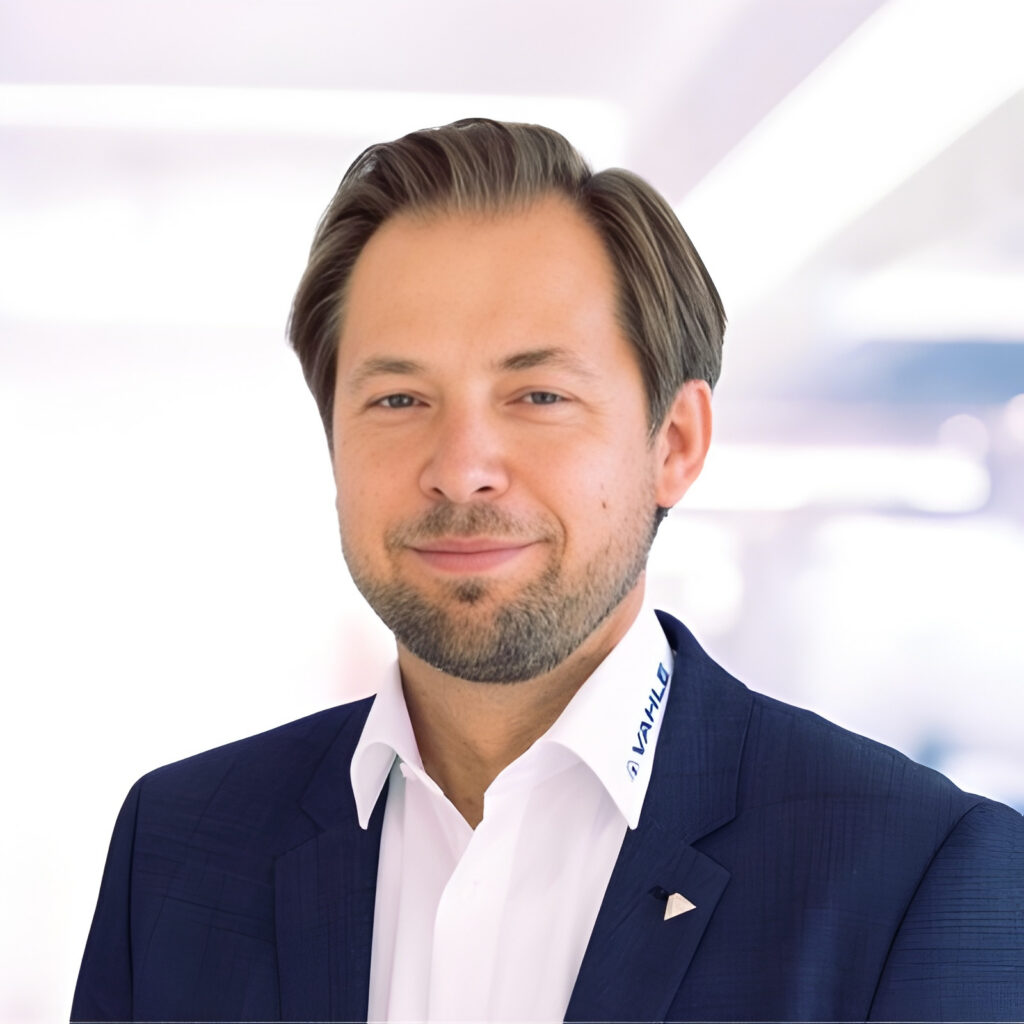
A multilingual professional experienced in Europe, Canada, and China, Herbert has developed invaluable networks in the automotive and energy industries. He has led high-profile projects involving ENBW, Mercedes-Benz Group, Siemens Group, and the Fraunhofer Institute.