
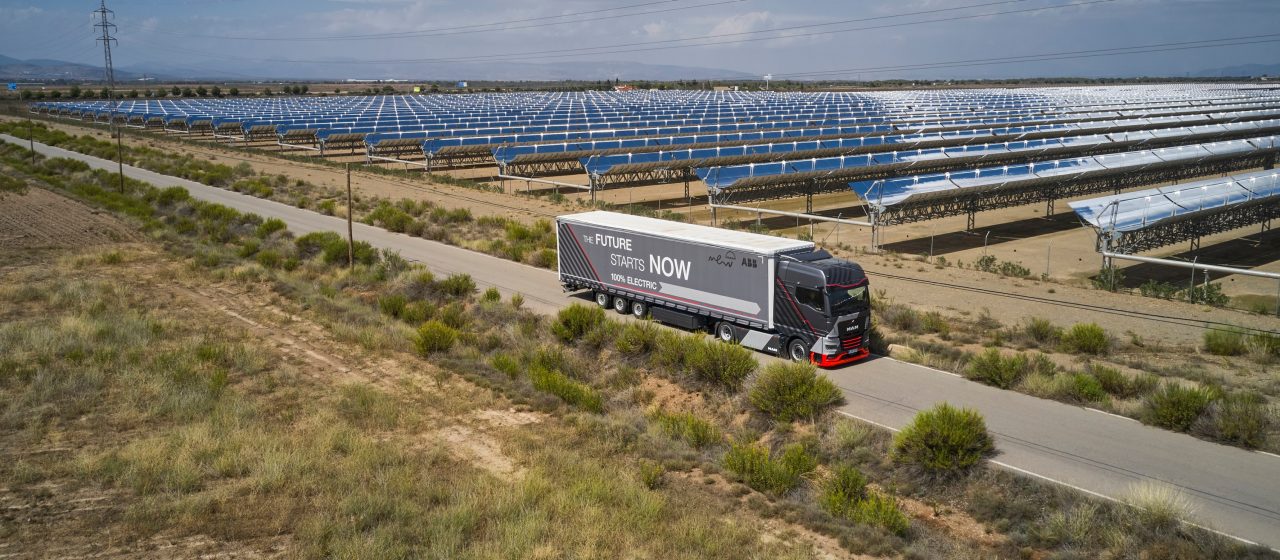
Electric truck investment is increasingly being treated as a procurement question. Yet choosing vehicles and installing chargers will not by itself deliver a reliable fleet transition. Operators must align route design, depot capacity, workforce routines, maintenance and customer commitments.
Duty-cycle data should lead the decision. Departure and return times, loading delays, payload, traffic, gradients and weather can materially change energy needs. Regular routes with dependable depot returns are usually the most practical starting point, provided planning includes usable range and a reserve rather than relying on headline specifications.
Charging capacity must grow with the fleet. Companies should model simultaneous demand, late arrivals, shift overlap, charging priorities and equipment failures. Network connections, electrical works and peak-demand costs may affect both timing and economics. Smart charging can help, but only when connected to dispatch information and route priorities.
The transition also changes driver and workshop procedures. Teams need clear responses to unavailable chargers, while technicians require high-voltage training, isolation processes and support for software-related faults. Service arrangements should cover charging equipment as well as vehicles.
Expansion should follow evidence from completed routes, energy consumption, charging reliability, downtime, payload effects, driver acceptance and customer service. A mixed fleet can provide planned resilience while more demanding routes await infrastructure or process changes. For businesses, electrification is therefore a redesign of transport operations, not simply a replacement of diesel tractors.

A multilingual professional experienced in Europe, Canada, and China, Herbert has developed invaluable networks in the automotive and energy industries. He has led high-profile projects involving ENBW, Mercedes-Benz Group, Siemens Group, and the Fraunhofer Institute.