

Pudu Robotics has outlined its European growth strategy at its first regional Partner Summit in Amsterdam, presenting a “One Brain, Multiple Embodiments” model for deploying AI across different robot types.
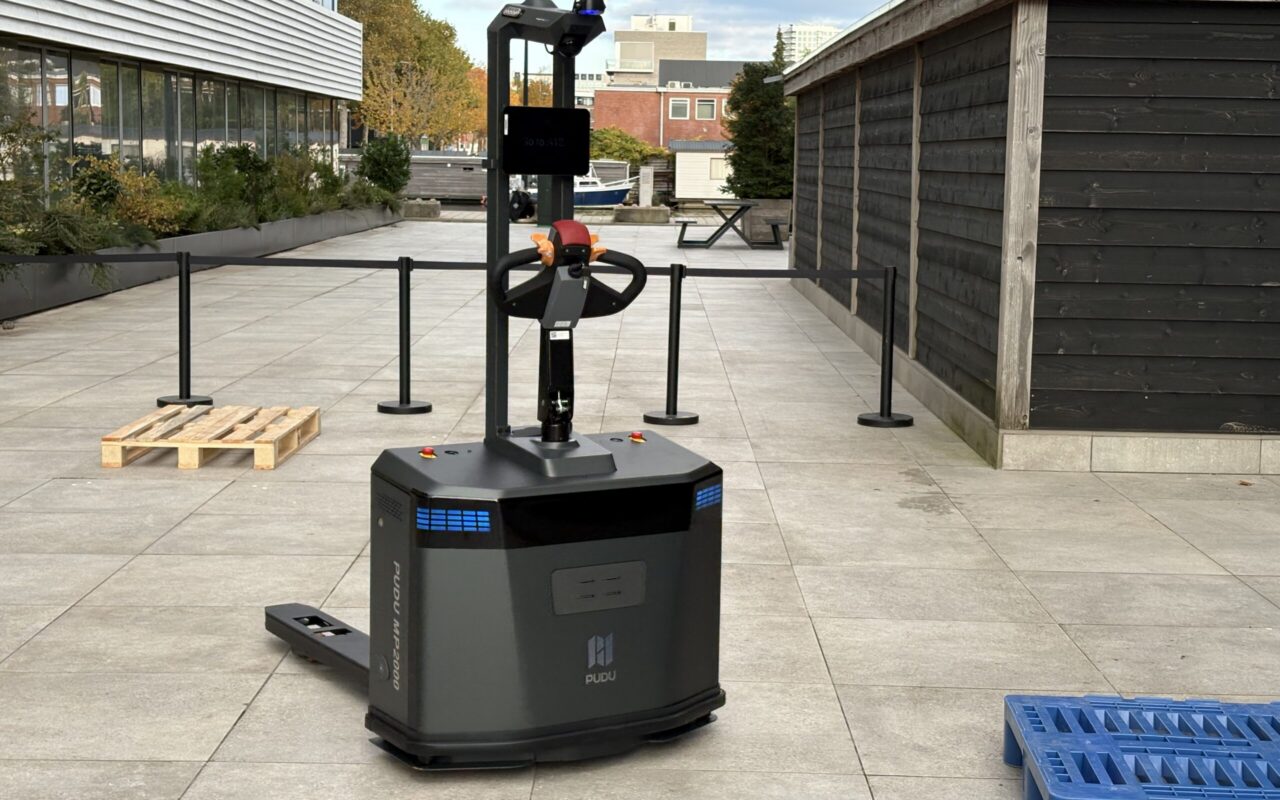
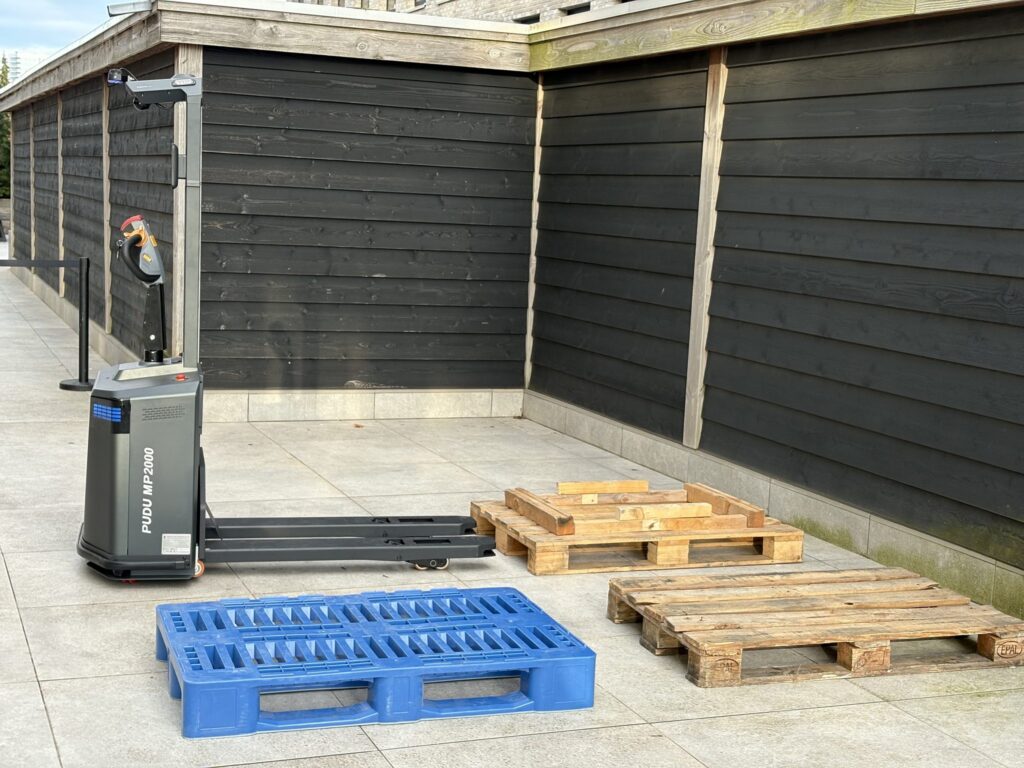
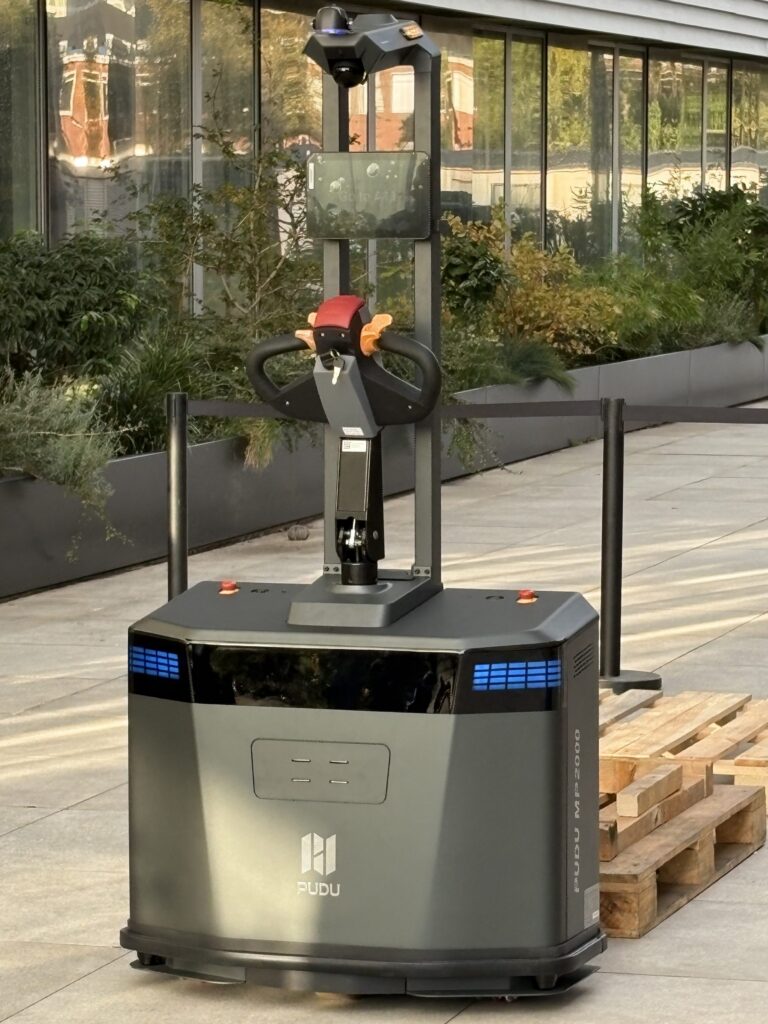
The company’s industrial range includes MP2000, an autonomous pallet-handling machine with a 2,000kg payload. AI-based load-carrier recognition, adaptive fork alignment and approximately 20-second fork insertion are intended to support pallet movement in warehouses, factories and logistics sites.
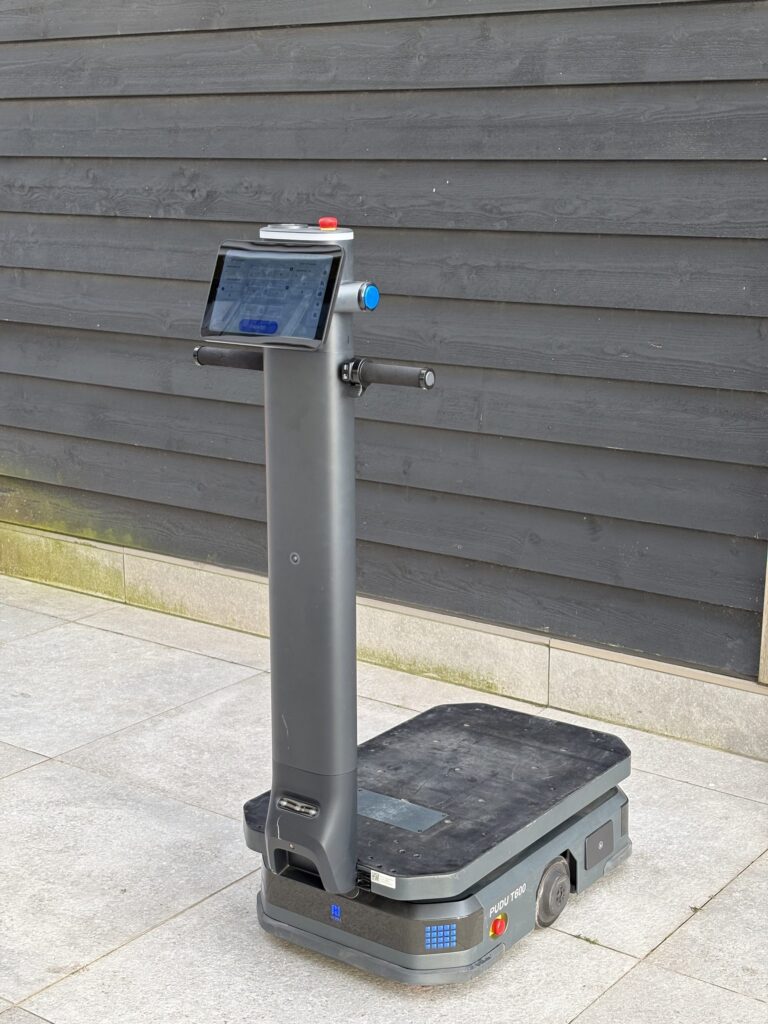
Three smaller models—T150, T300 and T600—target industrial delivery tasks. They offer different lift capacities, one-piece die-cast construction and optional attachments, and are designed for continuous operation. Pudu sells its industrial robots through dealers and integrators, with customer-specific APIs developed during deployment.
Founder and CEO Felix Zhang said the portfolio will combine specialised robots for repetitive work with semi-humanoid systems such as Flashbot Arm and more general-purpose humanoids. Pudu’s wider ecosystem covers industrial, cleaning, delivery, home, outdoor and embodied robotics.
The company typically starts with pilots before scaling deployments. It cites DHL, Kuehne+Nagel and Shaoke Logistics among its logistics case studies, while identifying Europe as its largest market. Pudu has received $400m in investor funding and is seeking additional channel partners.
For industrial customers, the shared-AI approach could support incremental automation by allowing software capabilities to be reused across purpose-built machines. Zhang also acknowledged that wider adoption will depend on public acceptance, particularly as robots operate closer to people. He said household humanoids may ultimately need to cost below $10,000 to become mainstream.