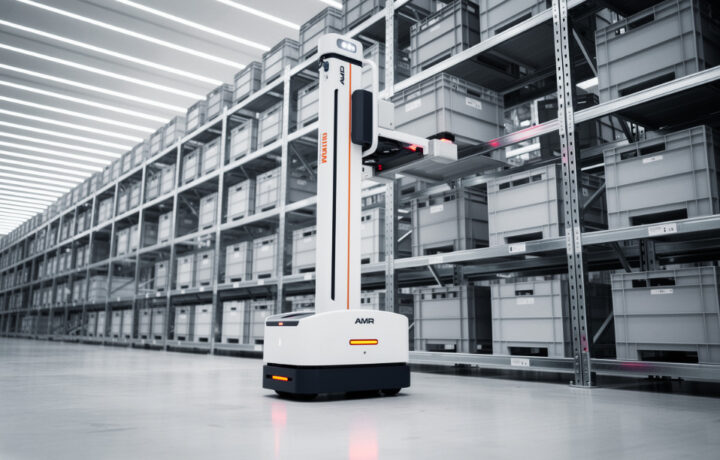


Autonomous mobile robot procurement is moving beyond basic questions about navigation, deployment time and travel reduction. Those capabilities remain relevant, but many established platforms can now deliver them. The key commercial issue is whether an AMR system improves the full warehouse process rather than simply keeping robots busy.
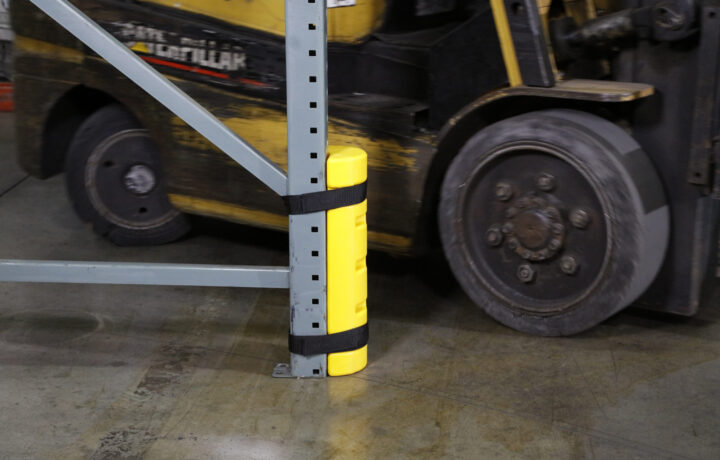
Buyers should examine whether a platform can run different picking approaches in parallel, change priorities during a shift and coordinate work in areas that remain manual. Very narrow aisles, high storage locations and bulky-goods zones can expose the limits of a robot-only solution.
Exception handling is equally important. Missing items, quantity errors and full totes are normal operational events. A platform that sends every case to a supervisor may reduce walking while preserving much of the management workload. The system should also connect robot activity with service commitments, including dispatch timing and order-level performance.
Pressure reveals the technology gap
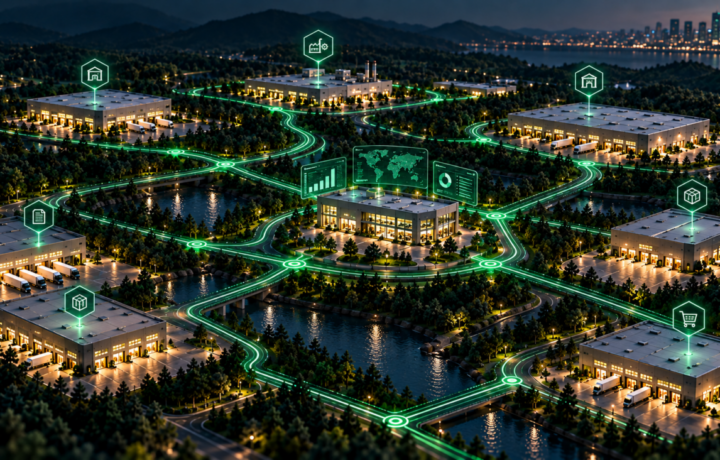
Peak volumes, varied customer workflows and labour constraints make the distinction between task execution and operational orchestration commercially visible. Replanning, work reallocation and live visibility can help prevent congestion and identify service risks before orders miss a cut-off.
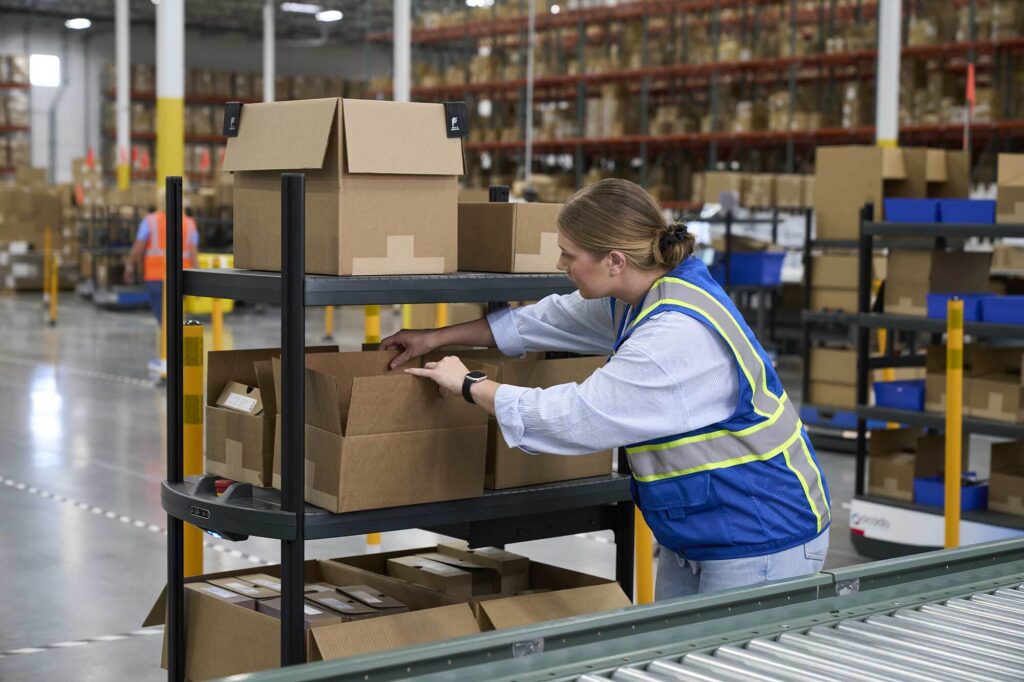
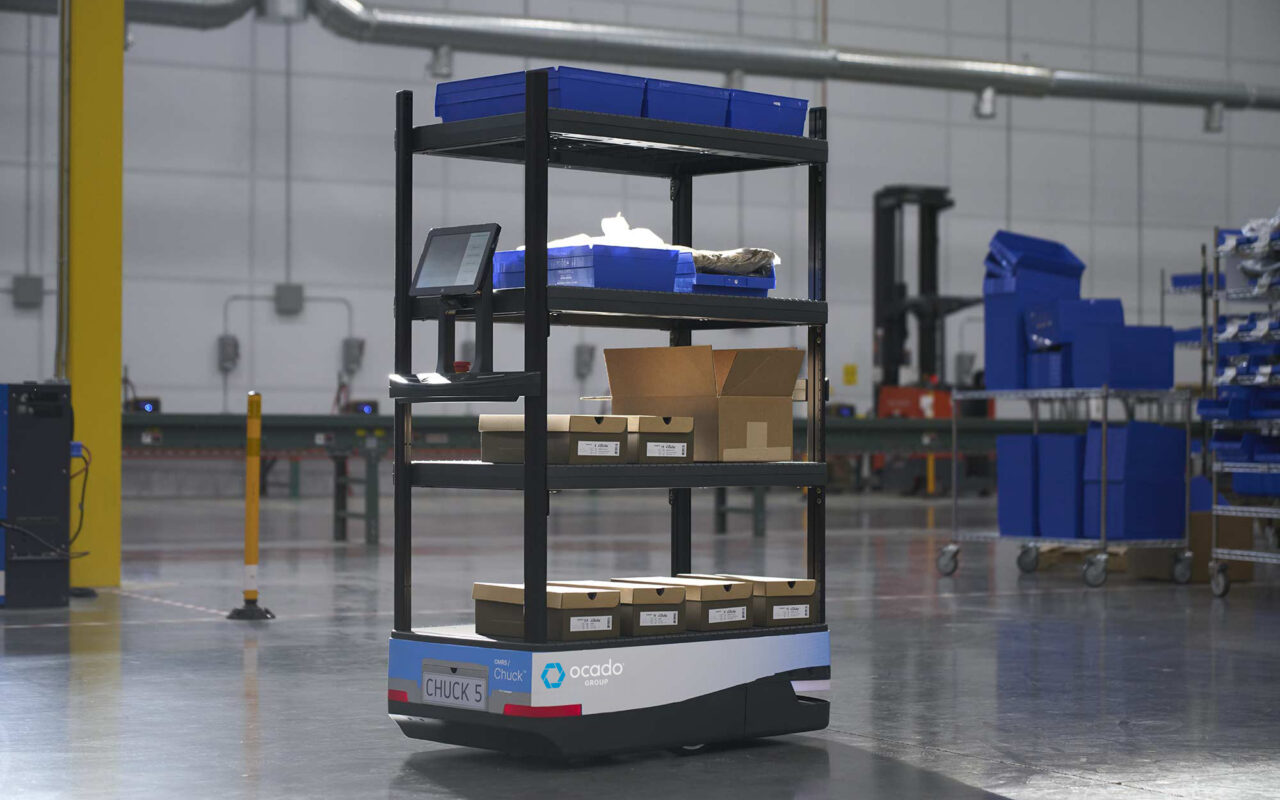
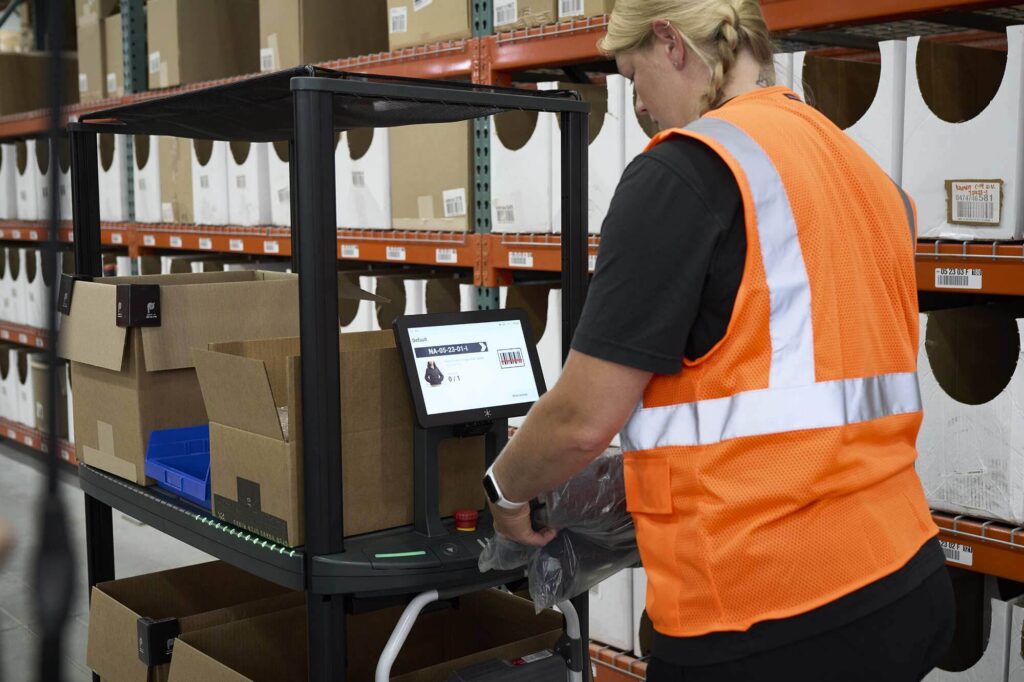
Chuck AMR, powered by Ocado IQ, is positioned as an example of this model. It coordinates robot and manual workflows, while the Ocado IQ App extends system-directed work into manual zones. The Bridge gives supervisors visibility of pick rates, queues, fleet availability and service-level performance. The platform is associated with Ocado Group.
Reported outcomes include productivity two to three times that of manual cart picking and payback in as little as six months. For buyers, the implication is clear: AMR evaluations should test the decision-making layer as rigorously as the machines themselves.