

Warehouse operators may be able to achieve substantial energy savings by changing a component that is often treated as routine: the conveyor belt. Forbo Movement Systems says low-friction belt technology can reduce the energy required to operate conveyors by up to 50% compared with conventional belts.
The commercial impact could be significant in large distribution centres, where hundreds of conveyors may extend across several kilometres. Lower resistance reduces the power required from drives and may also reduce stress on motors, bearings and associated components. That creates the prospect of lower electricity costs alongside longer equipment service life.
High-throughput applications
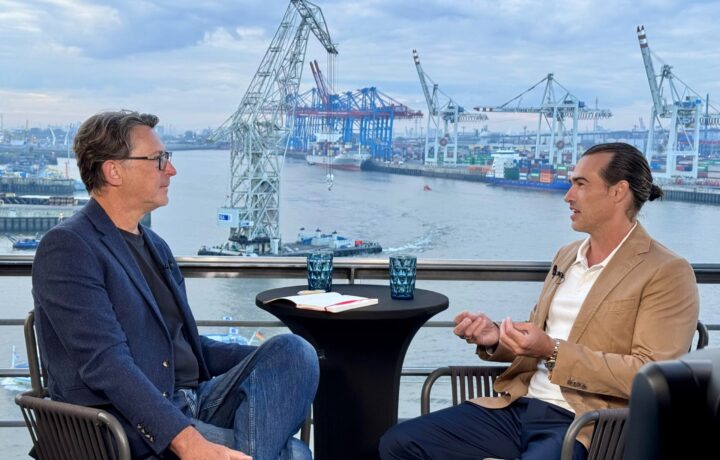
Sascha Goly, Global Segment Manager for Logistics and Sortation at Forbo Movement Systems, discusses the technology in Logistics Business Conversations. Airport baggage systems and e-commerce fulfilment centres are highlighted as environments where throughput, reliability and energy efficiency are all critical to operations.
In these facilities, a conveyor issue can affect more than a single machine. A failure or performance loss may disrupt connected processes, making belt selection relevant to both operating expenditure and system availability.
The discussion also looks at smart conveyor systems and predictive maintenance. Monitoring equipment condition could help operators detect developing faults before they result in unplanned downtime. Combined with lower-friction belts, this would give businesses a practical way to improve the efficiency and resilience of existing material-handling infrastructure.
For warehouse owners facing sustainability targets and cost pressure, the opportunity lies in a focused intervention rather than a complete system replacement. The belt itself may become an increasingly important part of energy-management strategies.