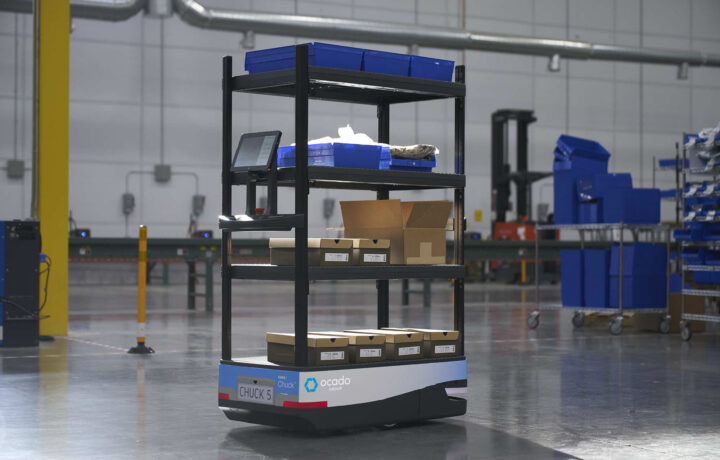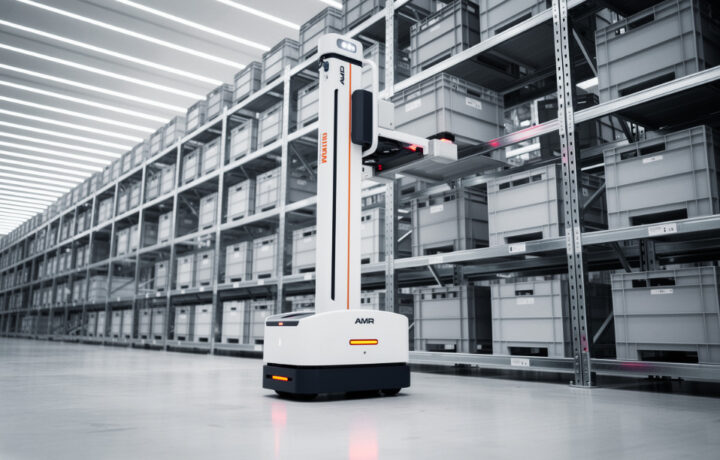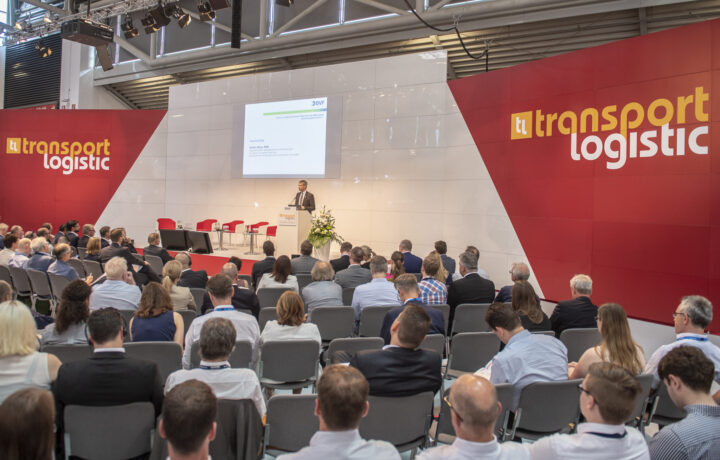


Warehouse automation is expanding, yet people, forklifts, autonomous vehicles and infrastructure will continue to share working space for the foreseeable future. That makes traffic control and collision protection central business issues for distribution operators, not secondary engineering concerns.
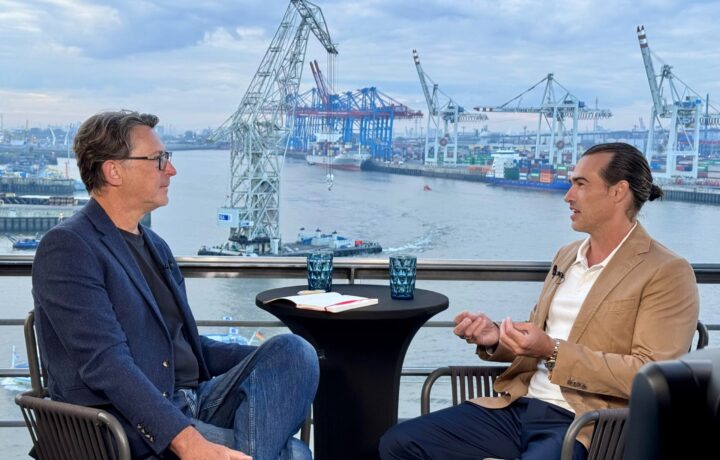
Jim Ryan, founder of Sentry Protection Products, advocates combining operational rules with technology and physical safeguards. He discussed the gradual adoption of automation in Logistics Business Conversations.
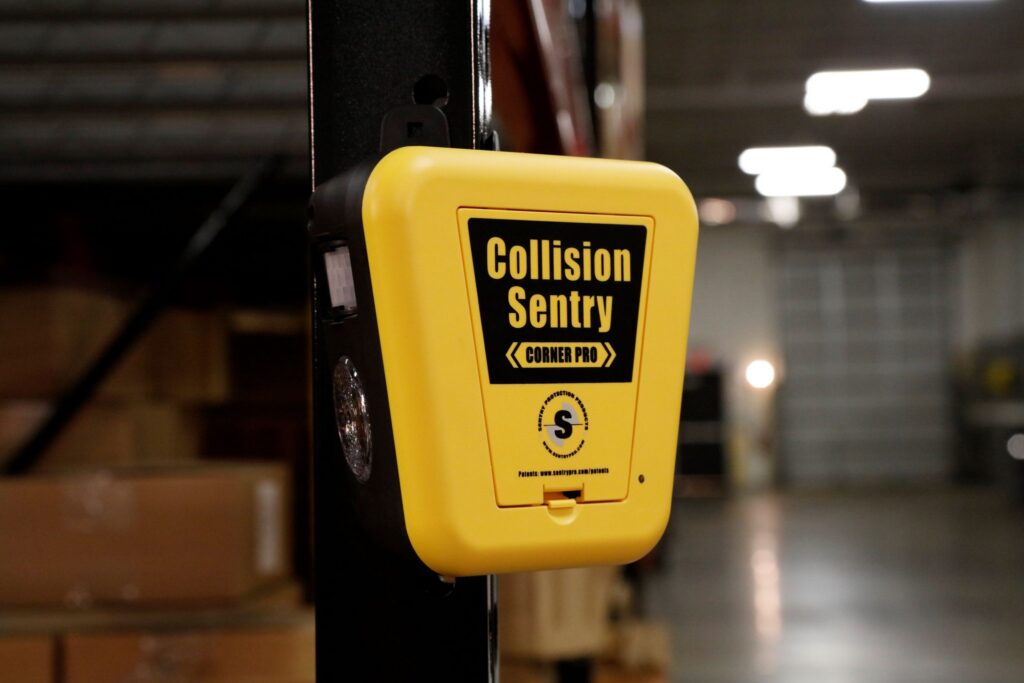
Blind corners are a particular risk because racking, loads and building layouts can restrict visibility. Sentry’s Collision Sentry system monitors movement from both sides of an aisle and issues visual and audible alerts when traffic creates a potential conflict. Selective warnings are intended to avoid the alarm fatigue that can result from constant signals.
The commercial benefit is potentially significant: operators may gain information about approaching traffic without adding a full stop at every routine corner. The system does not replace speed control, driver training or properly separated pedestrian and vehicle routes.
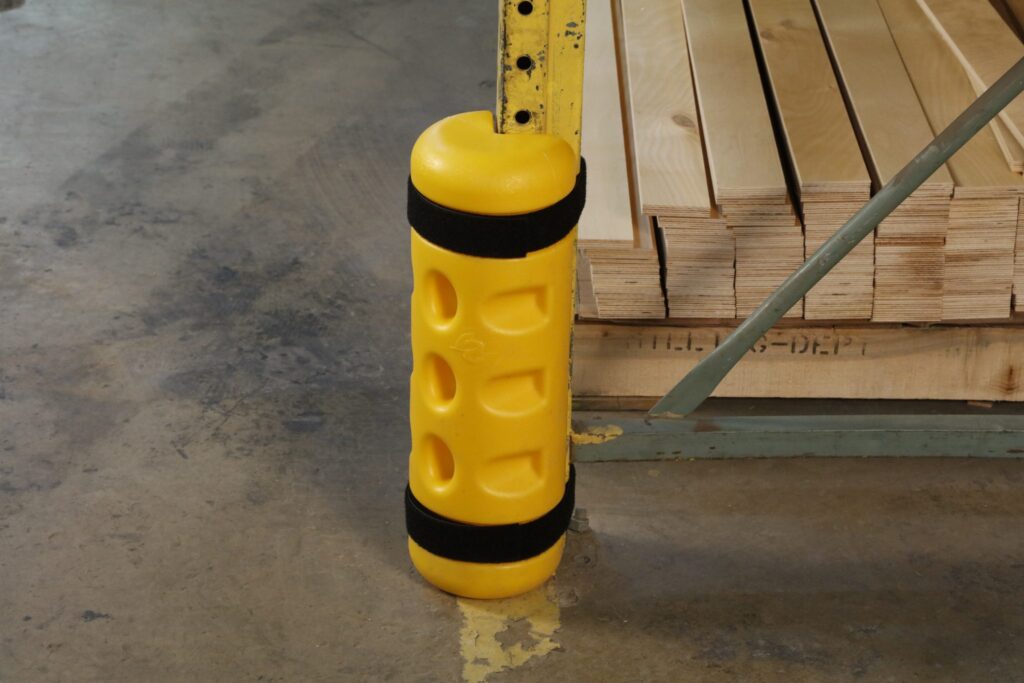
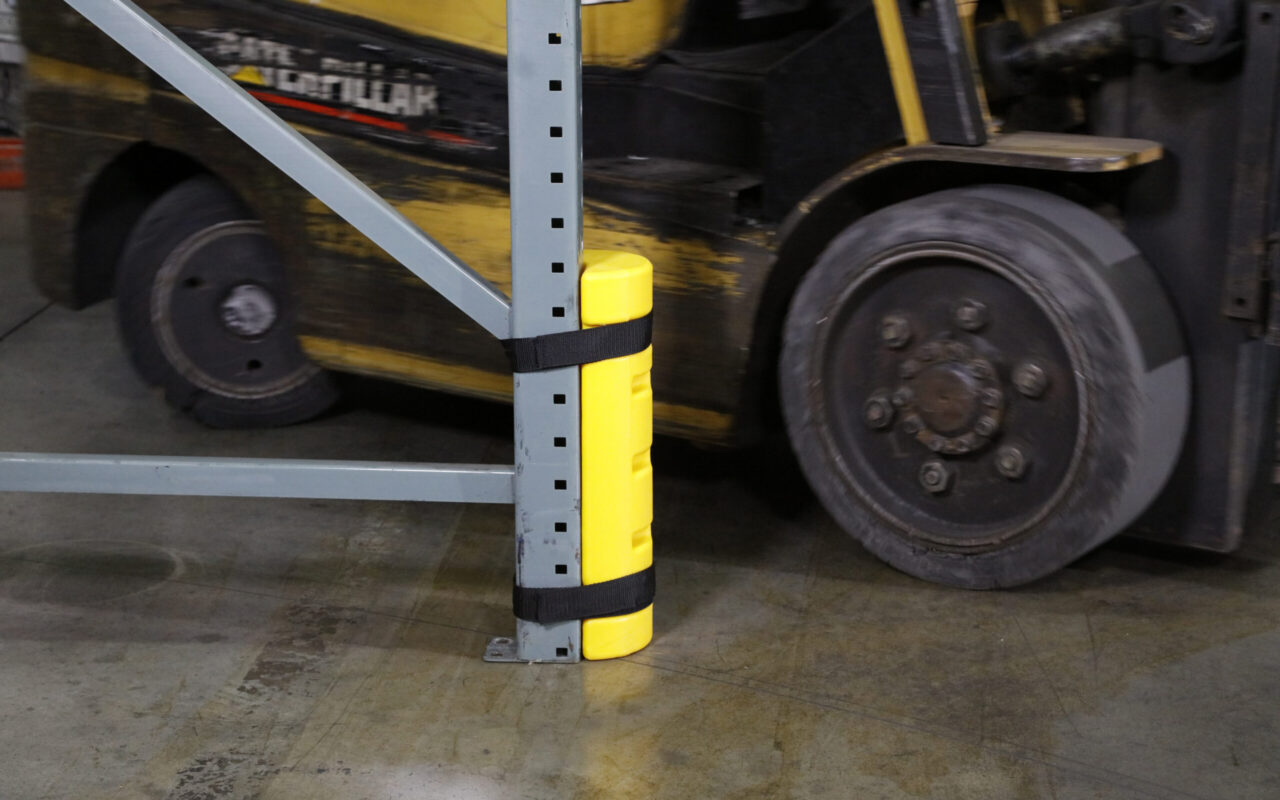
Physical protection remains necessary because prevention cannot eliminate every impact. Flexible guards around building columns and rack uprights can absorb energy and reduce the force transferred to vulnerable structures. Protection must balance strength with deformation and should be capable of withstanding repeated minor contact where possible.
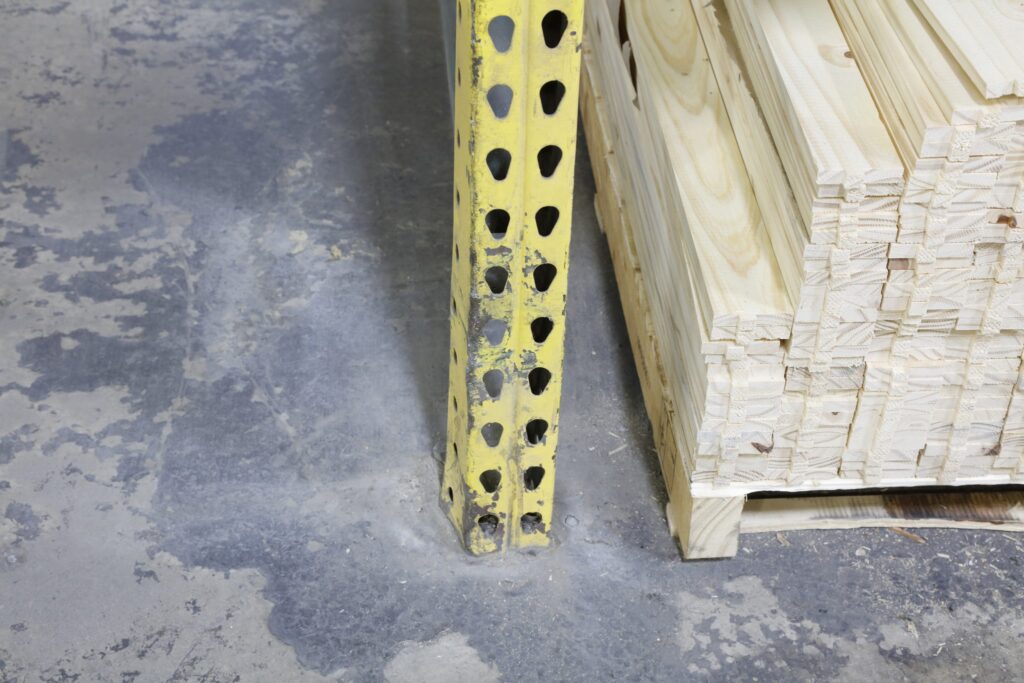
After an impact, operators still need to inspect the affected racking. Damage may not be obvious, and a compromised area can disrupt stock access and operations. For industrial businesses, the most robust approach is incremental automation supported by clear procedures, inspections and safeguards that protect both employees and assets.