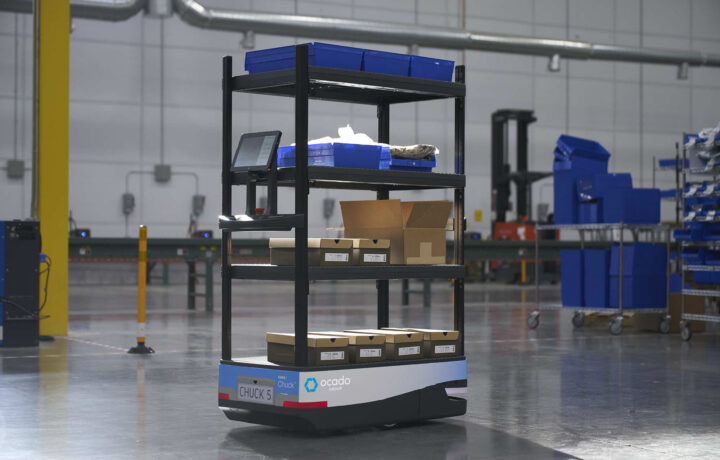


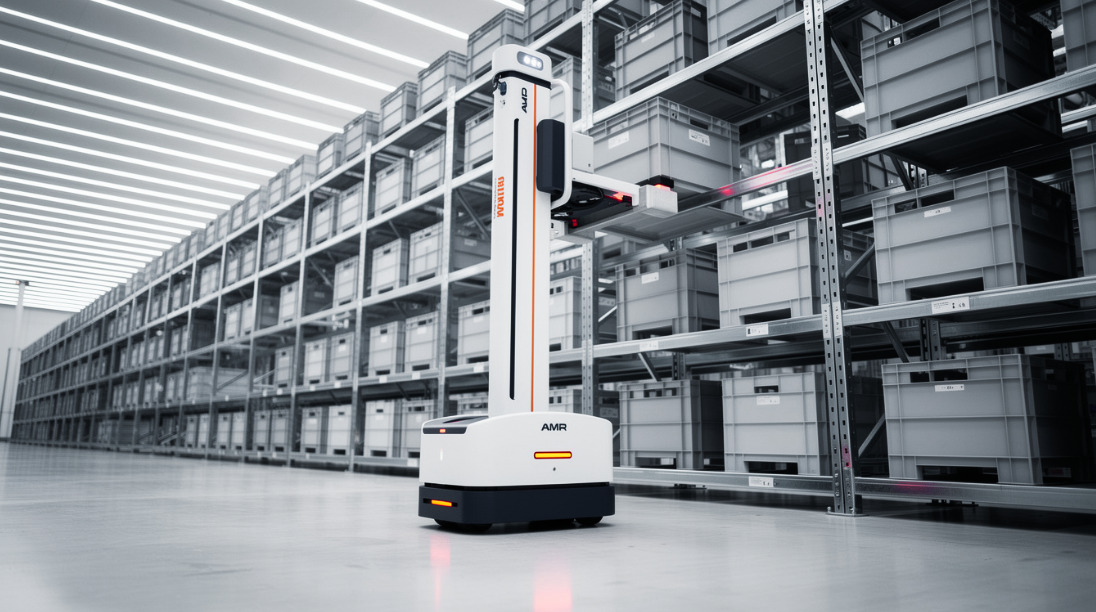
Autonomous mobile robots are expanding from warehouses and factories into hospitals, airports and other dynamic sites. That growth is increasing scrutiny of the drive system, which influences the robot’s payload, speed, precision, battery demand and ability to operate safely around people.
The drive typically combines a motor, gearbox, brake, encoder and controller. Safe Torque Off removes propulsion by disabling the power stage. Dual STO adds two independent hardware inputs, so interrupting either one blocks the motor switches and leaves the drive unable to generate torque.
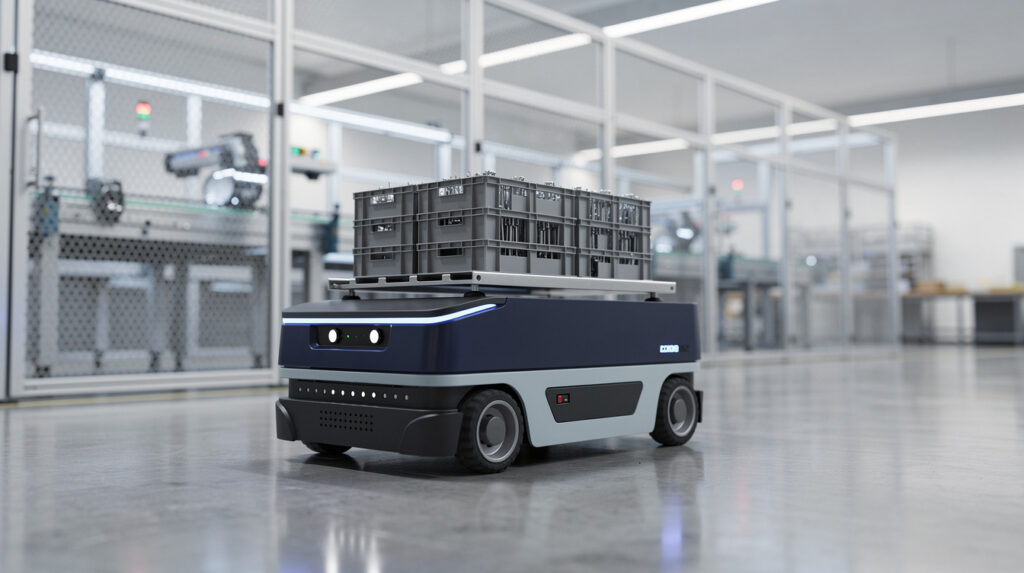
Manufacturers are also considering complete wheel drives instead of integrating every component internally. A tested, application-specific unit can reduce interfaces, validation work and engineering time. Brushless DC motors support high torque density because their stationary windings can be cooled effectively, while frameless versions save further mass and space.
Motor selection remains application-dependent. Iron-core designs can deliver strong low-speed traction, whereas coreless motors avoid iron losses and may be advantageous at higher speeds. Planetary gears provide compact torque transmission; strain-wave gears offer high single-stage reduction and near-zero backlash.
Multi-axis controllers coordinate the wheels and manage torque, speed and position. For industrial buyers, the result is not simply a smaller robot but a potentially more efficient and easier-to-deploy automation platform. Application guidance from suppliers such as Maxon UK can help balance footprint, performance, durability and cost.