
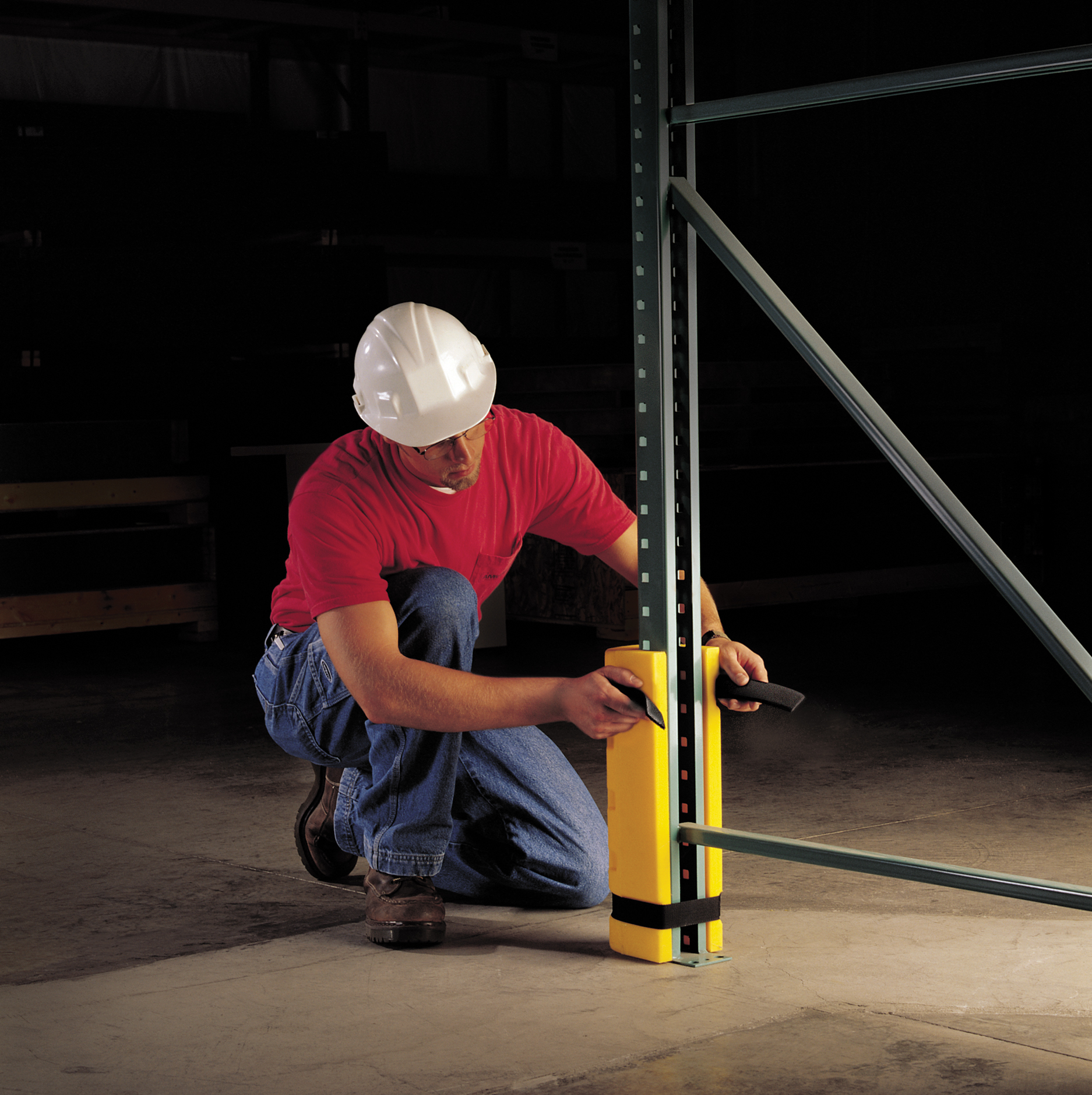
Warehouse rack protection is increasingly being assessed by how it manages impact energy, rather than simply by how hard or rigid the product appears. Research and testing by Sentry Protection Products found that controlled deformation can be more important than outright resistance.
Forklift impacts remain possible in busy facilities despite driver training and improved vehicle technology. If a protector transfers most of the collision force into the rack upright, the structure may still absorb the damaging load. A more effective design compresses under impact, taking in energy before returning to its original form.
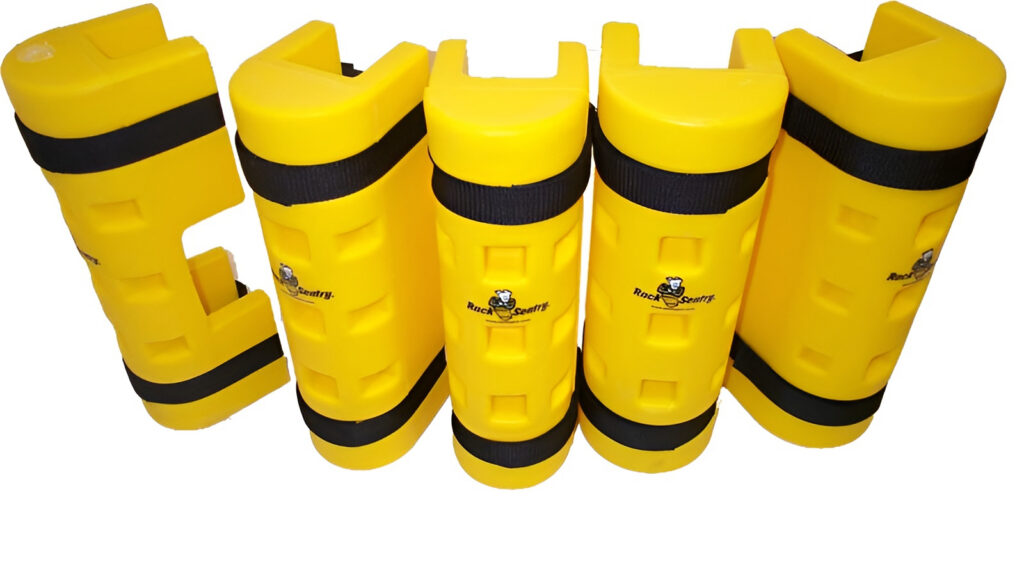
The engineering balance is critical. Excessive softness can lead to complete compression, while excessive stiffness can pass forces directly into the rack. Sentry applies this approach to its Rack Sentry and Rack Sentry CONTOUR products, which use impact-resistant materials and internal air chambers to support controlled deformation.
Independent compression tests compared both products with several competing solutions under identical conditions. The Sentry protectors absorbed more energy before reaching the point at which they were no longer effective.
For warehouse businesses, the result is a practical infrastructure issue. As throughput rises and operating margins narrow, rack protection that reduces transferred forces can support continuity and limit the consequences of routine forklift contact.

A multilingual professional experienced in Europe, Canada, and China, Herbert has developed invaluable networks in the automotive and energy industries. He has led high-profile projects involving ENBW, Mercedes-Benz Group, Siemens Group, and the Fraunhofer Institute.