
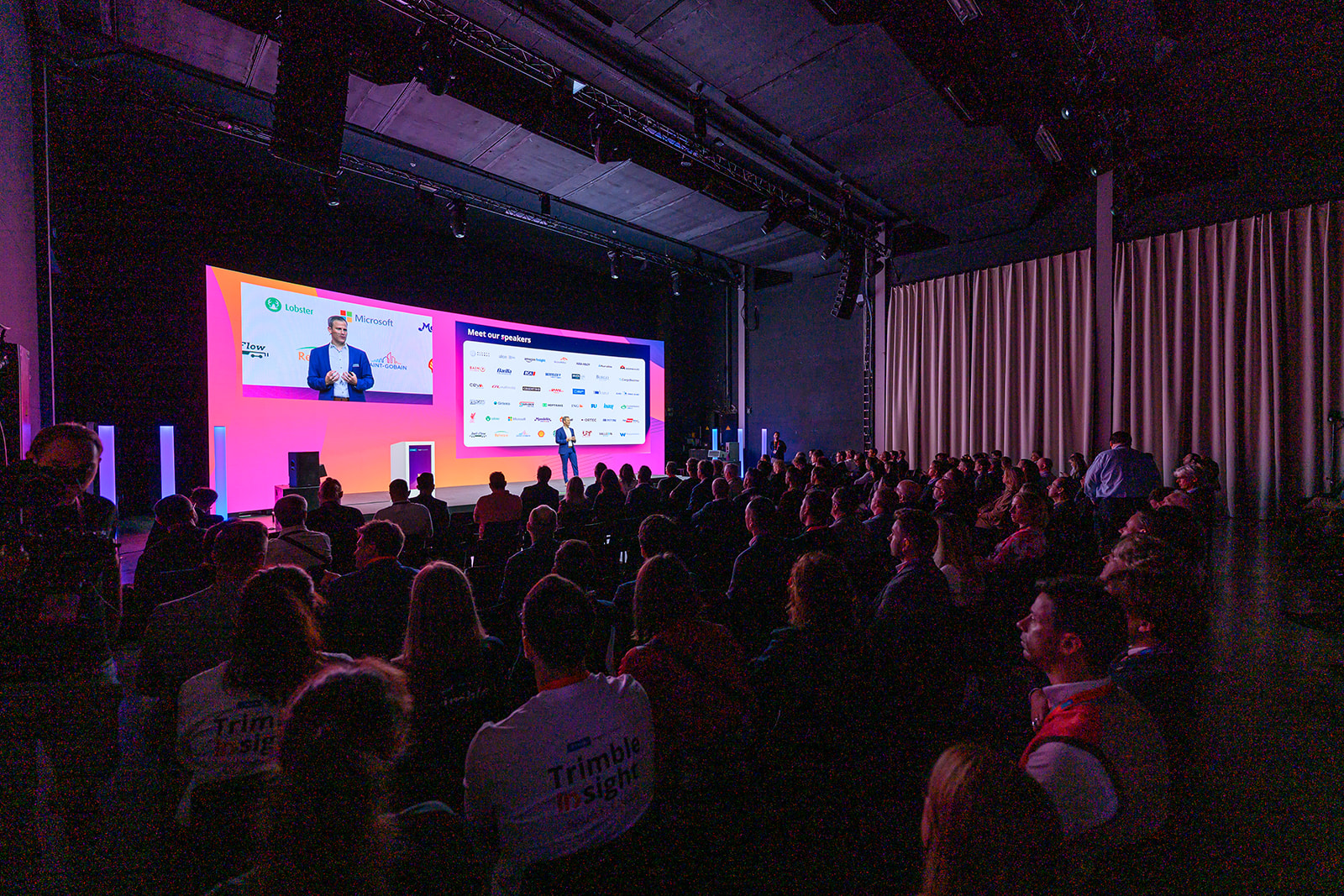
Artificial intelligence is moving into practical freight operations, with potential benefits for companies facing volatile prices, driver shortages and pressure to reduce emissions. Discussions at Trimble Insight in Brussels focused on using AI to support existing logistics work rather than deploying technology as an end in itself.
Trimble Arc is designed to operate with Transporeon’s software and data. Applications include freight-market analysis, procurement recommendations, vehicle utilisation and automated carrier responses to available loads. The approach could be valuable for smaller operators whose office teams cannot continuously monitor spot markets while managing daily transport activity.
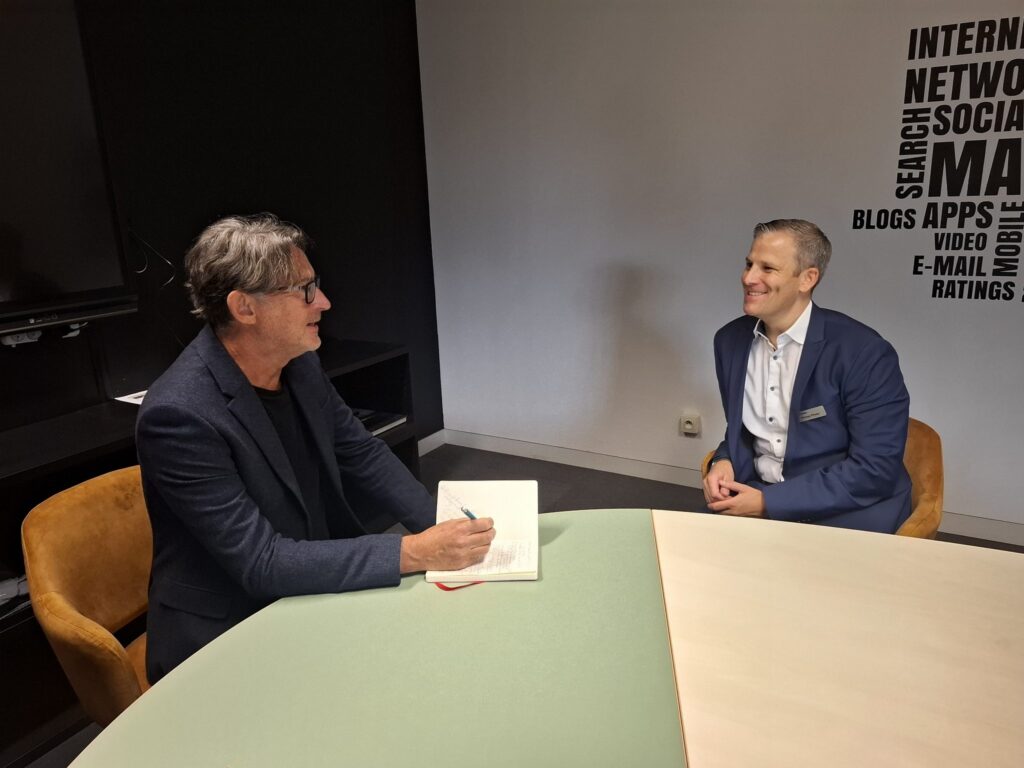
Human approval remains central when an AI-generated action could create a commercial commitment. Users may delegate tasks, but confirmation can be required before accepting a rate or arranging transport. Internal safety checks are also carried out before solutions are made available to customers.
The wider business opportunity lies in connecting applications. Logistics teams still spend time transferring information from email, updating multiple systems and reconciling records. Agents able to work across a shared digital environment could reduce this administrative burden. Poorly connected tools, however, risk creating another layer of silos.
Adoption will depend on digital maturity. Some businesses can introduce AI into established workflows, while others must first replace paper-based processes and spreadsheets with reliable digital foundations. Companies may also need to redesign how work is organised, since adding AI to unchanged processes is unlikely to deliver the full benefit.
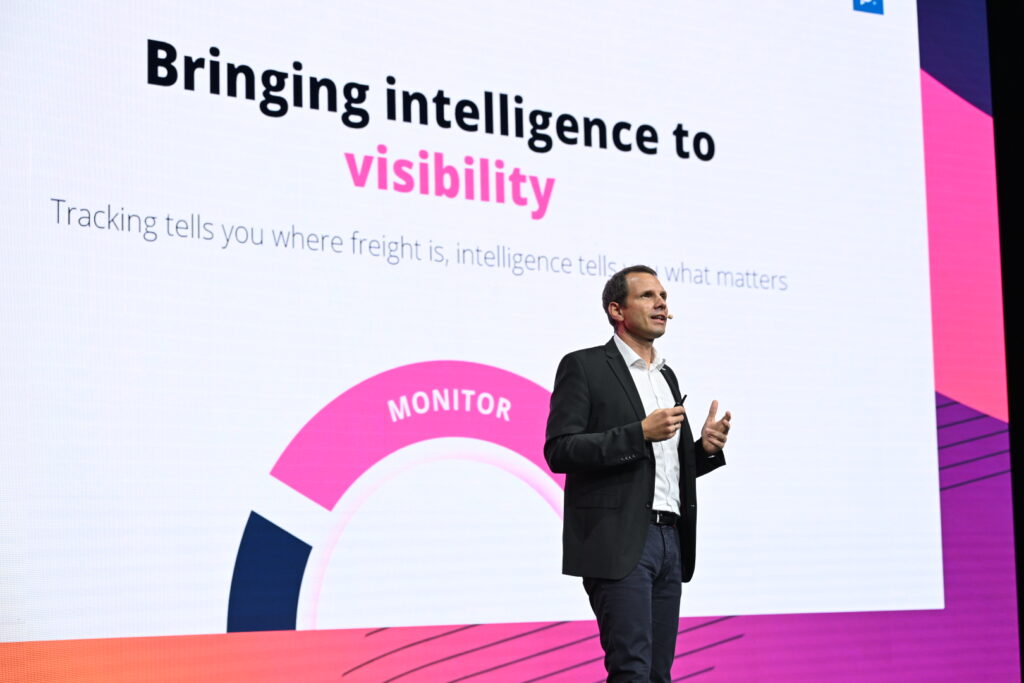
Improved planning and load consolidation can increase vehicle utilisation, reduce unnecessary journeys and support decarbonisation. The emerging model is therefore selective rather than technology-led: automate repeatable work, measure operational results and keep people responsible for exceptions, relationships and decisions requiring commercial judgement.

A multilingual professional experienced in Europe, Canada, and China, Herbert has developed invaluable networks in the automotive and energy industries. He has led high-profile projects involving ENBW, Mercedes-Benz Group, Siemens Group, and the Fraunhofer Institute.