

Logistics companies should treat artificial intelligence as a solution to a defined operational problem, rather than as an objective in itself, according to Matthew Sterner, Global Customer Marketing Leader for Transportation, Logistics and Warehousing at Honeywell.
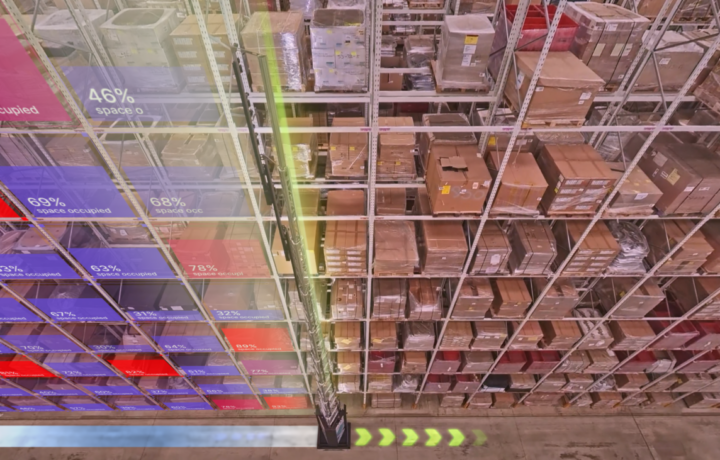
The immediate priority is reliable information. AI can combine business-system records with contextual data, but duplicated entries, missing details and unreported exceptions can undermine its recommendations. Businesses need to establish where work slows down and how quickly managers and frontline teams receive actionable information.

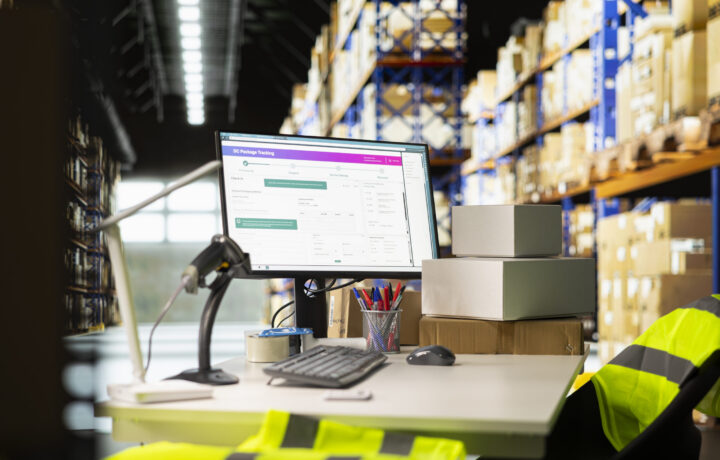
A shipping workflow examined by Sterner contained about 30 steps and repeated manual entry. Shipments could proceed despite inconsistent details or a missed requirement, such as Saturday handling. Process mapping enabled the organisation to assign routine checks to automation while retaining human input where judgement was needed. Handling time dropped from around six minutes to 30–45 seconds.
The commercial implication is that automation should be measured by improved flow and decision quality, not by the sophistication of the technology purchased. Companies must also define when a system can act independently, when approval is required and who owns an exception.
Potential applications include anticipating demand changes, improving inventory positioning, matching loads with carriers and adjusting routes. Combining vehicle location with weather data could identify a likely delay and update an estimated arrival time before the disruption affects a customer or receiving site. However, these benefits depend on accurate signals and an organisation able to respond.

Sterner recommends starting with a small, measurable use case. A pilot can reveal data weaknesses, test adoption and provide evidence for a broader investment. It should also reflect the warehouse workforce, since tools must suit different tasks, environments and levels of experience.