
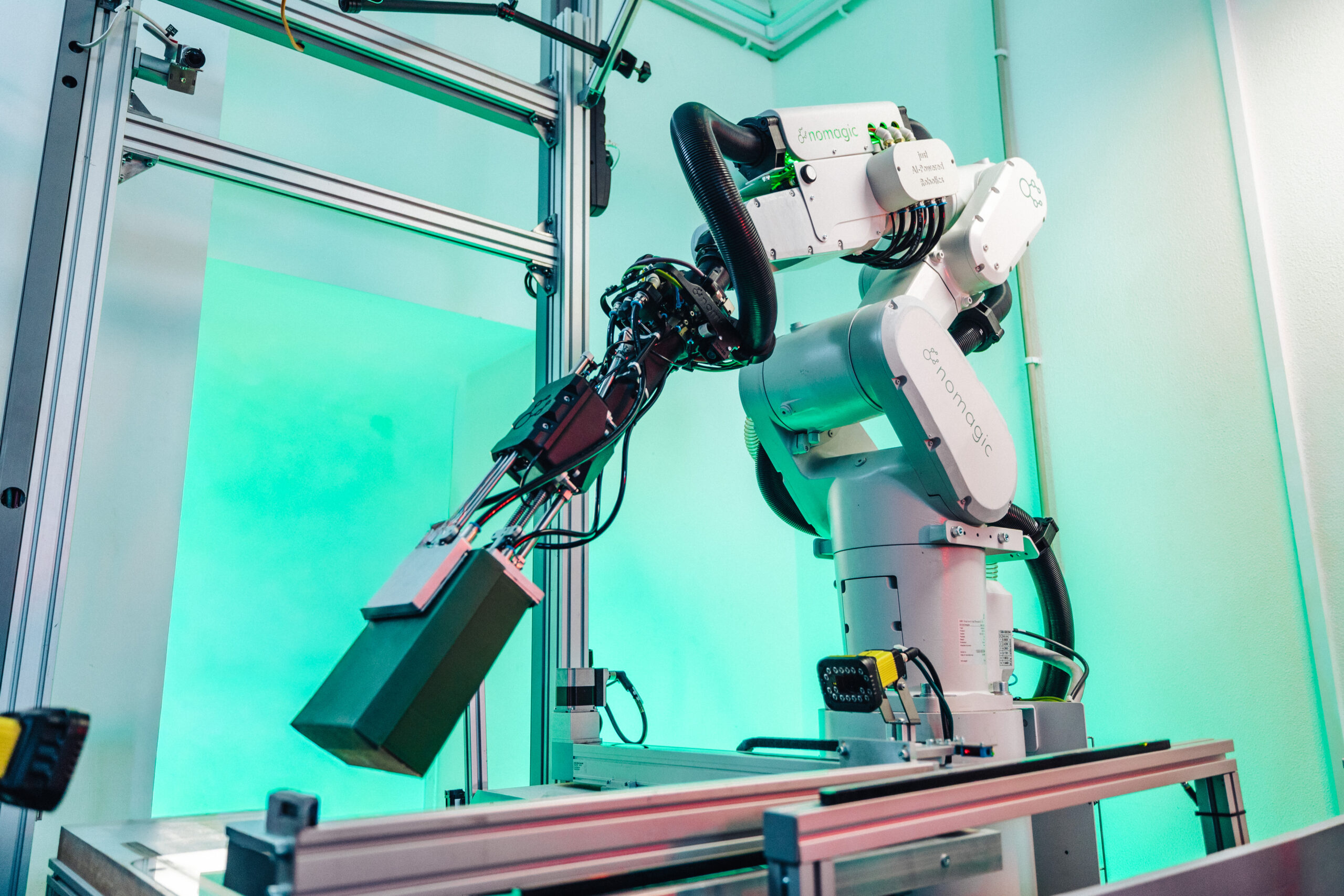
Warehouse automation has largely mastered standard loads, but shoeboxes remain difficult to pick reliably. The issue is significant for fashion logistics, where shoeboxes represent roughly 20% of ecommerce merchandise.
The problem is structural. Most boxes have a separate base and lid, and minor differences in fit, orientation or friction can make the lid move during a lift. Warehouses must also handle many sizes, materials and designs, with inventories changing continuously.
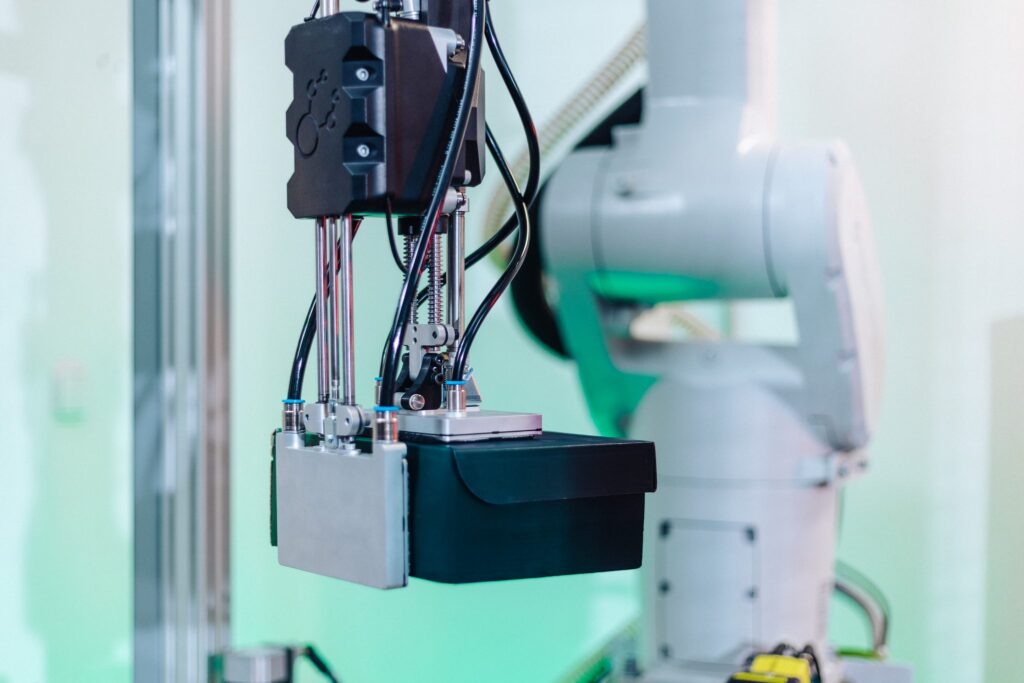
Banding the box could reduce the risk, but brands and retailers often reject elastic bands because they affect packaging presentation and the customer experience. Distribution operators are therefore expected to handle the boxes without that safeguard.
Physical AI offers a different route. Three-dimensional vision allows a robot to assess an item’s dimensions, position and stability. Machine-learning software selects a grasp, while tactile sensing checks the result and supports a new decision if the object shifts.
Nomagic says its Shoebox Picker was designed for this application. The system changes its grip according to the box and lid configuration and is specified to cover approximately 98% of shoebox SKUs, with picking rates of up to 450 units per hour.

The commercial significance extends beyond footwear. Fashion fulfilment combines volatile seasonal demand, broad SKU ranges and pressure for fast delivery. Robots that can accommodate physical variation could allow operators to automate more of these flows without imposing rigid packaging requirements.

A multilingual professional experienced in Europe, Canada, and China, Herbert has developed invaluable networks in the automotive and energy industries. He has led high-profile projects involving ENBW, Mercedes-Benz Group, Siemens Group, and the Fraunhofer Institute.