

Warehouse operators are deploying mobile robots, automated storage systems, intelligent warehouse software and advanced picking technology to raise output and manage capacity pressure. But the value of these systems depends on a basic condition: the digital picture must match the physical operation.
That is increasingly difficult to achieve through periodic scans alone. Pallets move, locations change status and congestion develops during the working day. A system may therefore show a technically valid transaction while failing to describe the current position, availability or utilisation of stock and space.
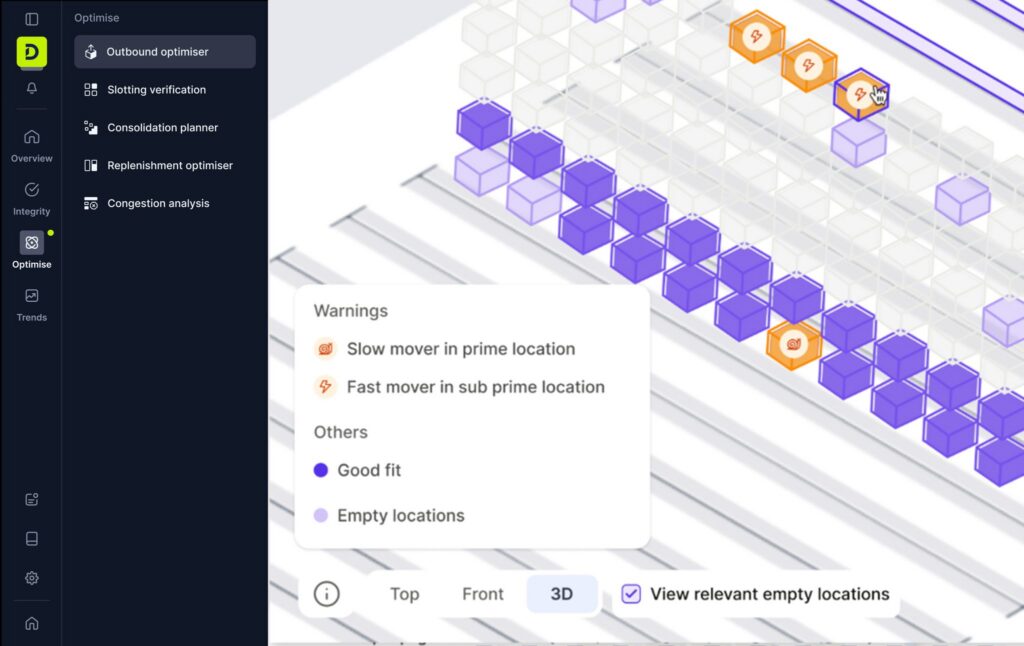
This disconnect can weaken automated decision-making across storage, replenishment and dispatch. It also limits the value of AI applications used for demand forecasting, slotting and workforce planning. Sophisticated models cannot compensate for inaccurate or incomplete inputs.
Continuous operational visibility gives managers a more current basis for action. They can identify emerging bottlenecks, redirect labour, adjust storage decisions and address exceptions before they affect outbound performance. The benefit is not necessarily another standalone automation project, but better coordination of technologies already in place.
For industrial businesses, the issue has strategic significance. Improving data quality can help unlock productivity and use warehouse capacity more effectively while supporting more resilient responses to changing demand. Dexory is working in the area of warehouse visibility.
The next phase of warehouse automation will therefore combine equipment with continuously refreshed operational intelligence. Moving goods faster remains important, but the commercial impact depends on making decisions from an accurate view of what is happening on the floor.

A multilingual professional experienced in Europe, Canada, and China, Herbert has developed invaluable networks in the automotive and energy industries. He has led high-profile projects involving ENBW, Mercedes-Benz Group, Siemens Group, and the Fraunhofer Institute.