
Warehouse automation is moving beyond isolated productivity gains as 3PLs, retailers and ecommerce companies manage labour pressure, volatile volumes and stricter service commitments. The emerging priority is coordinating orders, people, robots and exceptions across the full operation.
AMRs can reduce walking and improve picking, but they do not remove downstream constraints by themselves. A faster picking process still depends on replenishment, dock activity and prompt exception resolution. Fragmented control can therefore relocate rather than eliminate bottlenecks.

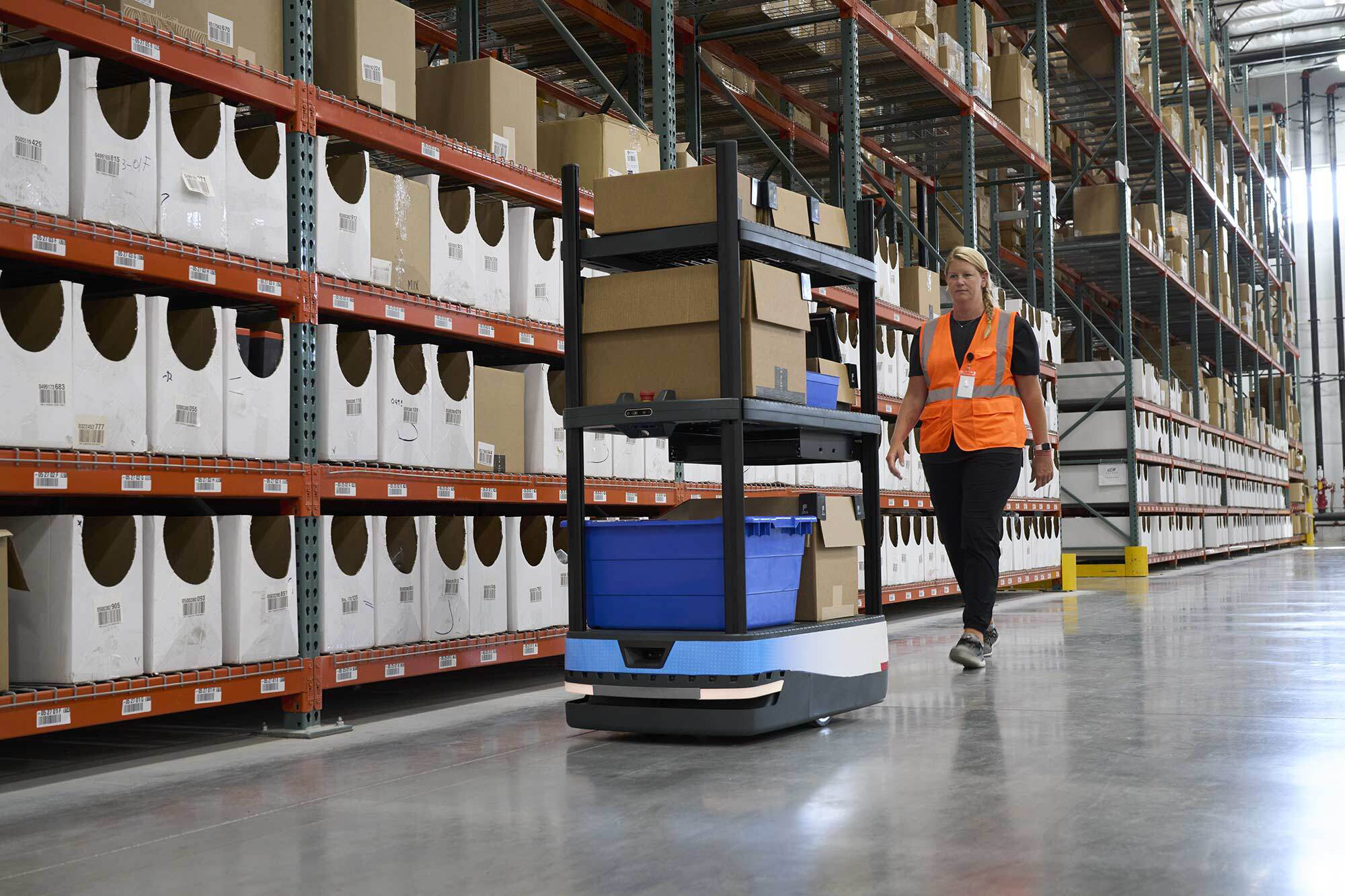
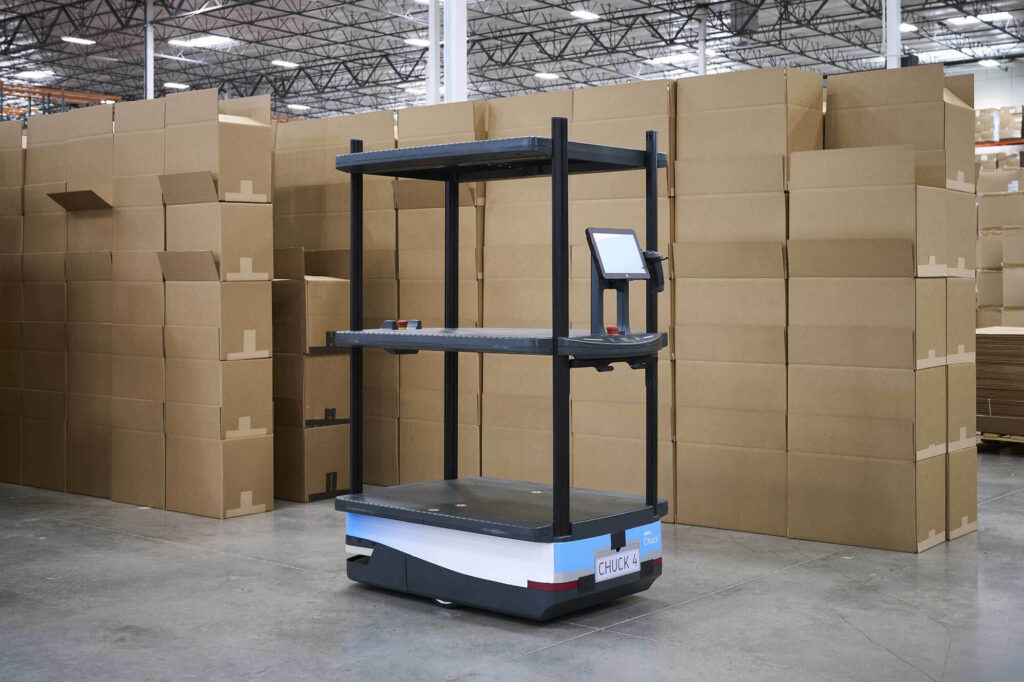
Chuck AMR, supported by Ocado IQ, continuously assesses order urgency, pick locations, resource availability, workload and congestion. It groups and reprioritises tasks as operating conditions change. The accompanying application extends system-directed work into manual and difficult areas, while Bridge gives supervisors visibility of queues, pick rates, fleet availability and service performance.
The Ocado Mobile Robot Systems platform also uses different picking patterns within the same facility. Sweep pairs an associate with one robot in narrower aisles. Rendezvous uses controlled robot positions in high-velocity aisles. Both modes can operate at the same time, allowing the robot to adapt to the aisle rather than forcing the site into one standard workflow.
Capacity can be added in layers: a core fleet for normal activity, flexible units for routine peaks and additional robots for planned seasonal events. Ocado reports two- to three-times the productivity of manual cart picking, labour-cost reductions of up to 50%, deployment in as little as 14 weeks and payback in six months. The system has been deployed at more than 120 sites.

A multilingual professional experienced in Europe, Canada, and China, Herbert has developed invaluable networks in the automotive and energy industries. He has led high-profile projects involving ENBW, Mercedes-Benz Group, Siemens Group, and the Fraunhofer Institute.